Allotment growing involves more than planting seeds and waiting for results. From understanding soil health and local microclimates to learning how to grow fruit and vegetables across changing seasons, success depends upon observation, planning, and consistency. Keeping records, adapting to weather conditions, and managing expectations all play a key role in building a productive and rewarding allotment over time.
What Many Growers Learn After Taking on an Allotment
Allotment growing is often portrayed as a simple and relaxing way to grow your own food, yet the reality is far more layered. For many people across the UK, taking on an allotment starts with excitement and optimism, followed by a gradual understanding that success depends on patience, planning, and consistent effort. While the rewards can be significant, the journey is rarely straightforward.
People come to allotment growing from many different backgrounds. Some begin with a few pots at home before moving on to a larger space, while others dive straight into managing a full plot. Regardless of where you start, there are lessons that almost every grower learns along the way, often through trial and error rather than instruction.
Many growers also find that sharing progress, setbacks, and advice with others helps them stay motivated and learn more quickly over time.
Understanding how to grow fruit and vegetables on your allotment is not about following rigid rules. It is about observing your plot, responding to seasonal changes, and accepting that learning never stops.
Based on shared experiences from allotment holders, here are seven things that are rarely discussed but commonly discovered.
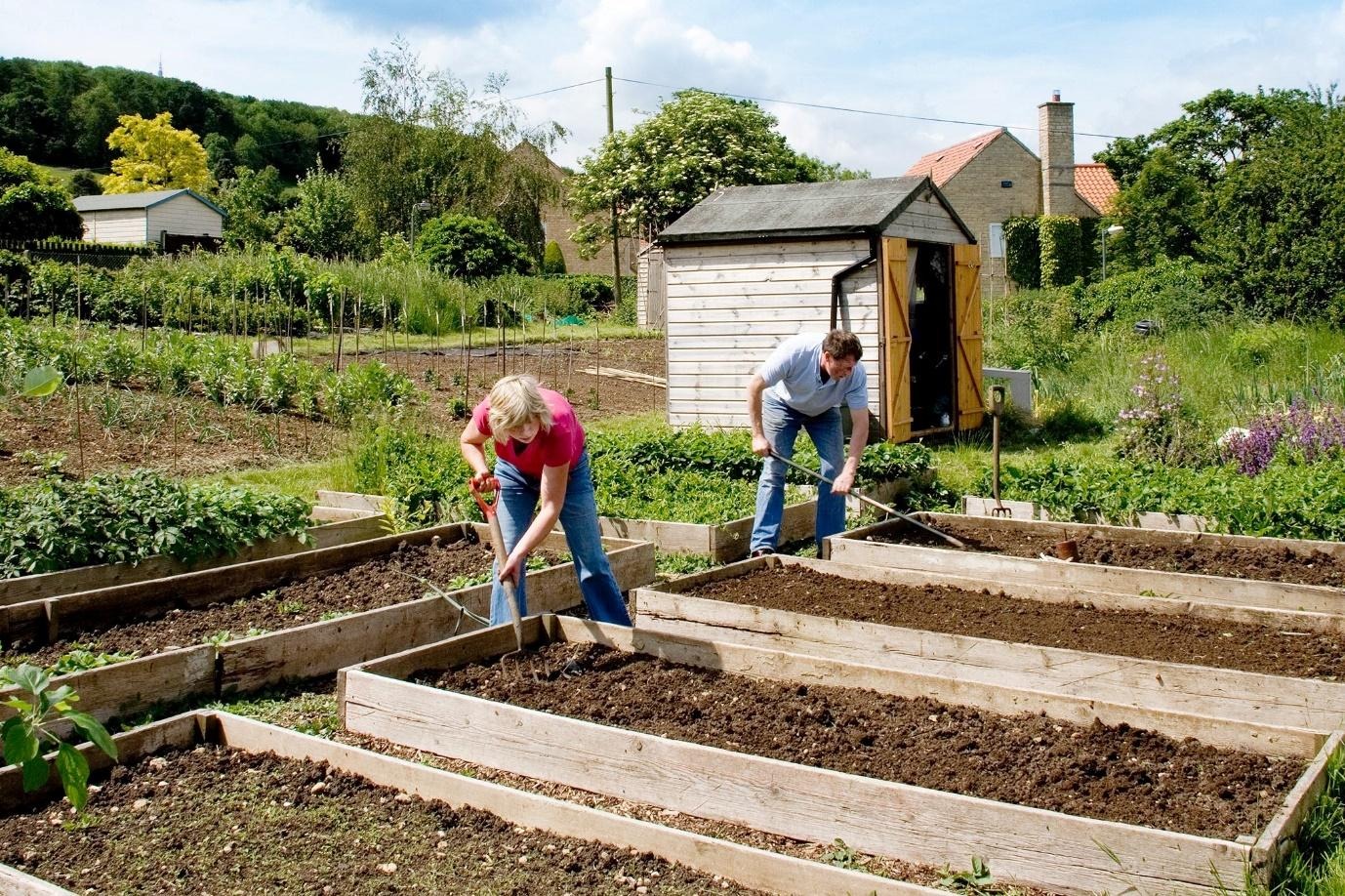
1. Starting Small Helps You Stay Consistent
New allotment holders often feel pressure to make full use of their plot immediately. Empty beds can feel like wasted space, leading many people to plant too much too soon. While the intention is good, this approach can quickly become overwhelming, particularly during peak growing months.
Starting with a smaller selection of crops allows you to learn how your plot behaves without stretching your time or energy. You begin to notice which areas hold moisture, which receive the most sunlight, and how quickly weeds return after clearing.
Learning how to grow fruit and vegetables becomes far more manageable when progress is gradual. Building confidence over time often leads to better long-term results than trying to do everything at once.
2. Soil Improvement Is a Long-Term Commitment
Healthy soil is at the heart of every productive allotment, yet it is often misunderstood by beginners. Adding compost or manure is essential, but improvements rarely happen overnight. Soil structure, nutrient balance, and microbial activity all develop gradually.
Regular additions of organic matter improve drainage, reduce compaction, and support stronger root systems. Over time, soil becomes easier to work and better able to retain moisture during dry periods.
Understanding how to grow fruit and vegetables means recognising that soil care is ongoing. Each season builds on the last, and the benefits of good soil management become more noticeable with time.
3. Weeds Are Inevitable
No matter how experienced you become, weeds will always be part of allotment growing. They appear quickly, especially during warmer weather, and compete with crops for water and nutrients.
Rather than aiming for a completely weed-free plot, experienced growers focus on keeping weeds under control. Regular weeding prevents small problems from becoming large ones, while mulching helps suppress regrowth and protect soil structure.
Accepting weeds as a part of the process makes allotment growing feel more realistic and less frustrating.
4. Weather Has a Bigger Impact Than Expected
British weather influences allotment growing more than most people anticipate. A promising spring can be followed by unexpected frost, while prolonged rain or heat can affect crops despite good care.
Although the weather cannot be controlled, preparation helps reduce its impact. Using fleece, cloches, raised beds, and careful planting times can protect crops and extend the growing season.
Learning how to grow fruit and vegetables successfully includes adapting plans to suit local conditions rather than relying on fixed expectations.
5. Growth Often Happens Out of Sight
One of the more challenging aspects of allotment growing is waiting for visible progress. Many crops spend weeks developing strong root systems before showing much above-ground growth.
This hidden development is crucial for long-term plant health and productivity. Root vegetables, fruit bushes, and overwintering crops call for patience during the early stages.
Understanding that progress is not always visible but helps manage expectations and encourages consistency during slower periods.
6. Planning Reduces Stress Later On
Good planning can make a significant difference to how enjoyable allotment growing feels. Thinking ahead about crop rotation, spacing, and succession planting prevents overcrowding and reduces the risk of disease.
Plants do not need to be complex or rigid. Simple layouts that allow for adjustment work best, as growing conditions often change during the season.
Learning how to grow fruit and vegetables becomes easier when planning supports flexibility rather than limiting it.
7. Every Season Brings New Lessons
No two growing seasons are ever the same. Weather patterns, soil conditions, and plant performance vary each year, even on the same plot. What works well one season may struggle the next.
Keeping notes or records helps capture these lessons and guides future decisions. Over time, this knowledge builds confidence and improves results.
Understanding how to grow fruit and vegetables is an ongoing process shaped by experiences, and not perfection.
In Conclusion
Allotment growing offers far more than a supply of fresh produce. It provides time outdoors, physical activity, and a deeper connection to the natural rhythms of the seasons. Watching plants grow from seed to harvest brings a sense of satisfaction that develops gradually with experience.
Growing your own fruit and vegetables encourages healthier eating habits, supports a more sustainable lifestyle, and reduces reliance on shop-bought food. It also builds valuable skills such as patience, planning, and adaptability, which extend beyond the allotment itself.
While every plot is different, the principles of good growing remain consistent. With steady effort, observation, and a willingness to learn, allotment growing becomes a rewarding journey defined by progress rather than perfection.
Allotment growing involves more than planting seeds and waiting for results. From understanding soil health and local microclimates to learning how to grow fruit and vegetables across changing seasons, success depends upon observation, planning, and consistency. Keeping records, adapting to weather conditions, and managing expectations all play a key role in building a productive and rewarding allotment over time.
Thank you,
Glenda, Charlie and David Cates