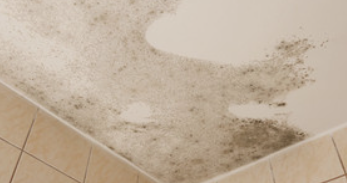
When the aftermath of water damage disrupts your home, and your health, embarking on the journey to restore, remodel and rejuvenate the space requires careful consideration and strategic planning. When water damage isn’t fully addressed, it can open the door to a hidden crisis: mold. Nearly half of U.S. homes report water damage and over 40% report mold issues. Mold and damp environments aren’t just about musty smells—they’re tied to major health consequences: asthma exacerbations, upper respiratory infections, allergies, and even long-term immune stress. Homes with visible dampness or mold are associated with a 30-70% higher risk of these health impacts.
Beyond health, mold can quietly undermine structural integrity and dramatically reduce property value. With water damage happening from everything from burst pipes to poor drainage, now is a critical time for homeowners to understand how to properly dry, restore, and test for mold before remodeling or moving forward.
Amid the decidedly wetter fall and winter seasons ahead, below, expert Jon Grishpul, GreatBuildz Co-CEO, is available to lay out what a homeowner should do immediately when water damage ensues to protect both health and home value.
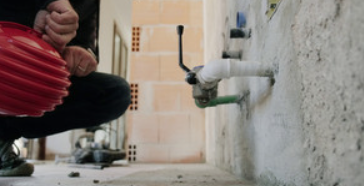
Completing Drying, Restoration, and Mold Testing
Before you can start thinking about transforming your space, it’s essential to deal with the aftermath of the water damage’s impact. As such, the first crucial step in this process is making sure you thoroughly dry out, restore, and check for mold. Professional restoration experts have the knowledge and tools to effectively get rid of any lingering moisture, preventing potential mold growth that could affect your property’s structure and the health of those living there.
Thorough drying involves a comprehensive assessment of the affected areas, strategic removal of water, and using specialized equipment to methodically reduce moisture. Restoration isn’t just about the appearance; it’s about repairing and replacing damaged materials, bringing your space back to its pre-damage state. Also, it’s crucial to conduct mold testing to identify any hidden mold growth that might have taken hold due to the water exposure. Detecting and removing mold promptly are essential to ensure the well-being of the space’s occupants.
Planning Renovation and Reconstruction
As the waves of restoration begin to subside after the chaos of water damage, it’s time to turn your attention to the planning phase for renovation and reconstruction. The process includes:
- Comprehensive assessment of the damage’s impact on your property: This evaluation forms the bedrock for crafting a strategic plan. Spot the spots that need fixing or swapping out, factoring in not only the visible wreckage but also potential hidden issues that could crop up over time.
- Working with architects or designers: This can offer insights into optimizing your space’s potential while ensuring its stability and safety.
- Outlining clear priorities: Whether it’s specific rooms, features, or design elements, outlining your priorities helps you allocate resources effectively and keep the project focused on what matters most to you.
- Choosing a budget: Your budget sets the financial framework for your project and guides decision-making throughout. It’s important to strike a balance between your aspirations and the practicality of your budget to ensure a successful outcome.
- Researching materials, fixtures, flooring, and finishes: This includes exploring options that align with your design goals, durability requirements, and budget constraints. Thorough research empowers you to make informed choices that contribute to the longevity and aesthetics of your space.
Communicating with Insurance
Engaging in clear and timely dialogue with insurance companies and adjusters can significantly streamline the process and help you navigate the complexities of insurance claims. Promptly notifying your insurance provider about the incident is fundamental. This action sets the wheels in motion for assessing the extent of the damage and determining the coverage available for restoration and remodeling.
Engaging with insurance adjusters plays a central role in ensuring a fair evaluation of the damage. These professionals assess the situation on-site, determining the scope of coverage and estimating the costs involved. Open and transparent communication during this assessment phase is key. Provide them with a detailed account of the damage, backed by documentation and photographs, to facilitate an accurate evaluation.
Facing the aftermath of water damage, a pivotal decision lies ahead: the selection of who will guide your restoration and remodeling journey. Each option—hiring a restoration company, an insurance-referred contractor, or your own chosen contractor—brings distinct considerations to the table.
- Restoration company: Opting for a specialized restoration company can be advantageous, particularly when dealing with extensive water damage. These professionals possess expertise in managing the aftermath of disasters, from water extraction to mold remediation. Their comprehensive approach ensures that every facet of restoration is meticulously addressed. However, it’s prudent to assess whether the restoration company also offers remodeling services or if you would need to engage additional contractors.
- Insurance-referred contractor: Contractors referred by your insurance company can provide a sense of security, as they have previously worked within the insurance system. They are often familiar with the claims process, which could streamline matters. However, exercise discernment; while some referred contractors excel, others might be chosen primarily for cost considerations. Conduct thorough research to ensure their suitability for your specific project needs.
- Your own contractor: Engaging a contractor of your own choice grants you a degree of autonomy in selecting professionals whose work aligns with your vision. This route can be particularly beneficial if your project includes substantial remodeling work beyond restoration. However, ensure that your chosen contractor is well-versed in water damage recovery, as the nuances of this process can differ from standard remodeling.
If you choose to work with your own contractor for remodeling after water damage, finding the right professionals for the job is a critical step. The expertise and reliability of your chosen contractor can significantly influence the success of your restoration journey. Here are some key considerations to guide you:
- Research and referrals: Begin by conducting thorough research and seeking referrals from friends, family, or local trade organizations. Online reviews and testimonials can provide insights into contractors’ reputations and the quality of their work.
- Specialization in water damage repair and restoration: Opt for contractors who have experience in remodeling after water damage. Their understanding of the unique challenges posed by water damage ensures that they can address both visible and hidden issues effectively.
- Portfolio assessment: Review the portfolios of potential contractors to assess the quality of their past projects. Look for projects similar to yours to gauge their proficiency and alignment with your vision.
- Licensing and insurance: Ensure that the contractor you choose is licensed and insured. These credentials are essential for verifying their professionalism and safeguarding against potential liabilities.
- Site visits: Invite contractors to visit the site and assess the damage firsthand. This interaction offers them a clearer understanding of the project’s complexity and enables them to provide more accurate estimates.
Whether you’re grappling with the aftermath of a flooded bathroom or a burst pipe in the kitchen, ensuring water damage doesn’t lead to health hazards and expensive structural damage that can undermine resale value is key.
With extensive experience in the construction and renovation business, Jon Grishpul is Co-CEO of GreatBuildz.com—a free service that matches homeowners with reliable, pre-screened general contractors.
The company, which exclusively connects homeowners with reputable contractors who have successfully passed its rigorous screening process, also avails free access to its BidCompareAI—a home renovation contractor bid comparison tool leveraging artificial intelligence to instantly reveal hidden costs, inconsistencies across bids, lack of transparency and more for true “apples-to-apples” comparisons.
GreatBuildz also provides an array of other resources for those wanting to repair or rebuild their home, including Remodeling Advisors for those needing guidance and support for any repair or issue. Jon is also Co-CEO of MaxableSpace.com, an industry-leading accessory dwelling unit (ADU ) design / build / manage platform.
Thank you,
Glenda, Charlie and David Cates