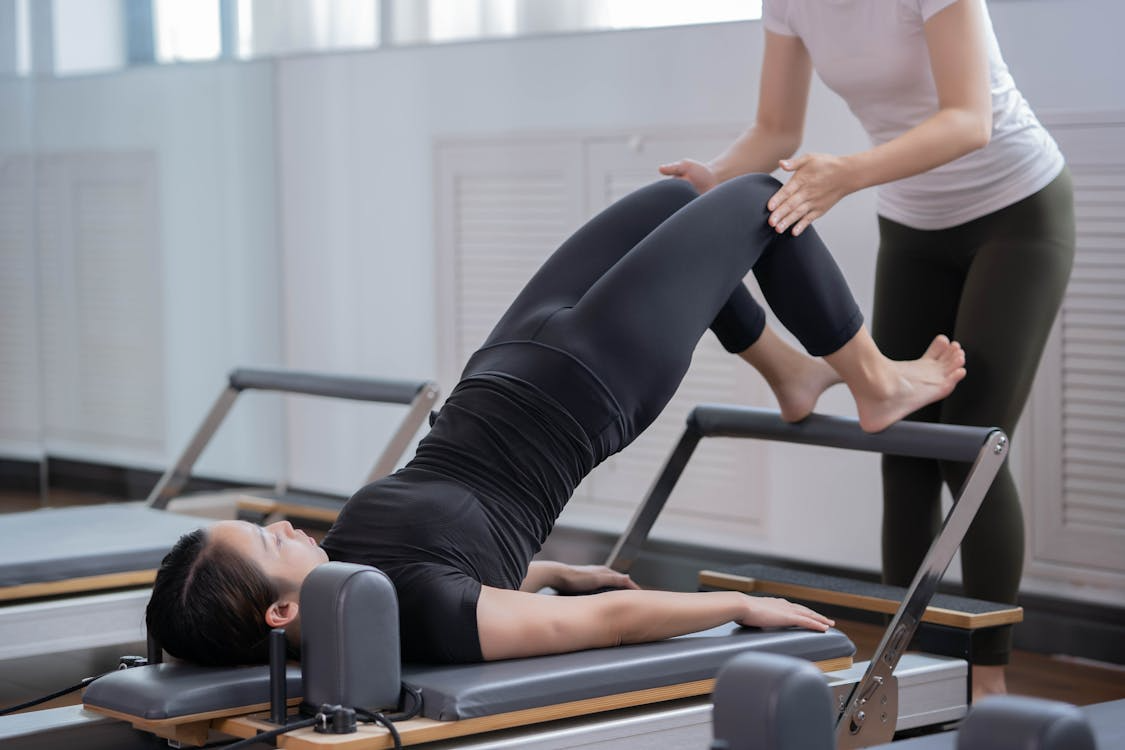
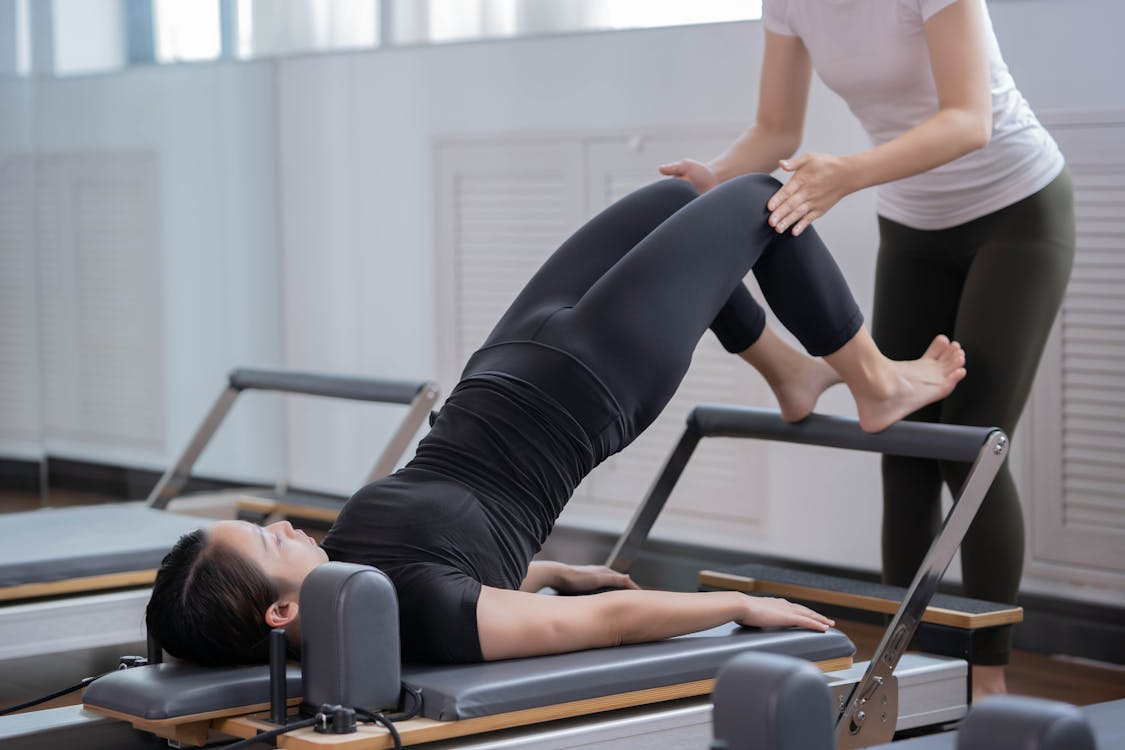
fitness instructor assisting woman-doing pilates Pixel
The fitness industry continues to evolve at a rapid pace, and Pilates remains one of the most resilient and in-demand disciplines worldwide. As more people prioritize mindful movement, injury prevention, and sustainable wellness routines, the need for highly trained instructors is growing. In 2026, becoming a Pilates instructor is not just about leading classes; it’s about guiding clients toward long-term strength, balance, and body awareness in a world that increasingly values holistic health.
If you are passionate about movement and enjoy helping others build confidence through controlled, intentional exercise, this career path offers both personal fulfillment and professional flexibility. Whether you aim to teach in boutique studios, wellness centers, gyms, or online platforms, understanding the right steps from education to certification will help you enter the field with credibility and confidence.
Step 1: Understand the Foundations of Pilates
Before enrolling in any training program, it is essential to understand what Pilates truly represents. Developed by Joseph Pilates in the early 20th century, this method focuses on controlled movements, precise alignment, breathing techniques, and core strength. Unlike many high-intensity fitness trends, Pilates emphasizes quality over quantity, making it accessible to diverse populations, from athletes to seniors.
In 2026, prospective instructors are expected to have a deeper understanding of anatomy, biomechanics, and functional movement than ever before. Clients are more informed, and many seek instructors who can explain not only how to perform an exercise but also why it benefits their bodies. This means you should familiarize yourself with musculoskeletal anatomy, posture analysis, and injury modifications even before formal certification.
Observing classes, taking sessions with experienced instructors, and practicing regularly will give you insight into cueing techniques, class flow, and different teaching styles. The more exposure you gain early on, the easier your formal training process will become.
Step 2: Choose the Right Certification Program
Selecting a reputable training program is one of the most important decisions you will make. In 2026, hybrid learning models are increasingly common, blending in-person workshops with online theory modules. When evaluating programs, consider whether they cover mat Pilates only or include comprehensive apparatus training such as reformer, Cadillac, and chair work.
Look for courses that require a substantial number of practice teaching hours, observation hours, and self-practice. Accreditation and industry recognition also matter, especially if you plan to work internationally or at established studios. Some well-known organizations include Balanced Body and STOTT Pilates, both of which offer structured pathways from beginner to advanced instructor levels.
Beyond certification, consider mentorship opportunities. Learning directly from experienced teachers provides nuanced insight that textbooks and video modules cannot replicate. Ask about post-certification support, continuing education requirements, and specialization options such as pre- and postnatal Pilates or rehabilitation-focused instruction.
Investing in a thorough, well-recognized program may require significant time and financial commitment, but it will strengthen your professional credibility and open more career doors in the long term.
Step 3: Gain Practical Experience and Build Confidence
Certification is only the beginning. In 2026, clients expect instructors who are confident, adaptable, and attentive. Once qualified, start teaching as much as possible. Offer beginner workshops, assist senior instructors, or teach small group sessions to build experience in different environments.
Hands-on experience will refine your cueing skills, improve your ability to correct form safely, and help you manage varying fitness levels within a single class. You will also learn how to structure sessions effectively, balancing warm-ups, progressive challenges, and cool-down phases.
Professional responsibility becomes increasingly important as you transition into active teaching. Securing appropriate insurance for pilates instructors ensures that you are protected while working with clients, whether in a studio, private setting, or online. Understanding liability coverage and legal requirements in your region is an essential part of operating professionally.
At this stage, developing soft skills is equally critical. Communication, empathy, and motivational ability can distinguish you from other instructors with similar qualifications. Clients often return not only for the workout but for the supportive and encouraging environment you create.
Step 4: Develop Your Niche and Personal Brand
The Pilates market in 2026 is competitive, so differentiation is key. Once you gain foundational experience, consider identifying a niche that aligns with your interests and strengths. You might specialize in athletic performance, rehabilitation, corporate wellness programs, or online classes for busy professionals.
Building a personal brand involves more than social media presence. It includes defining your teaching philosophy, visual identity, and communication style. Clients are drawn to authenticity, so clarity about your approach to movement and wellness will help attract the right audience.
Continuing education should remain a priority. Attend workshops, pursue advanced certifications, and stay updated on evolving research in movement science. The more knowledge you accumulate, the more value you can offer your clients.
Technology will also play a significant role in 2026. Many instructors combine in-person sessions with virtual classes or subscription-based platforms. Learning how to film high-quality sessions, manage scheduling software, and communicate professionally online can significantly expand your reach and income potential.
Conclusion: Turning Passion into a Sustainable Career
Becoming a Pilates instructor in 2026 requires dedication, structured education, practical experience, and ongoing professional development. It is not simply about mastering exercises; it is about understanding bodies, communicating clearly, and fostering safe, effective movement practices for diverse populations.
By building a strong foundation in Pilates principles, choosing a respected certification program, gaining real-world teaching experience, and strategically developing your niche, you can create a fulfilling and sustainable career. As wellness continues to take center stage globally, skilled instructors who prioritize education, professionalism, and client care will remain in high demand. With commitment and thoughtful preparation, you can transform your passion for movement into a rewarding professional path that supports both your growth and the well-being of others.
Thank you,
Glenda, Charlie and David Cates