Image Source: Pexels
Everyone wants to live in a space that really feels like home. Unfortunately, many times—especially when moving into a new property—the space you have doesn’t always feel functional or have the look in all the rooms that you’re hoping for.
While it might seem a bit intimidating to take on various renovation projects, there are actually a number of interior design secrets you can use to completely change the overall feel of your home without needing to make significant changes.
Below, we’ll provide you with 10 interior design tips and considerations you can use to make your space feel more like you.
Master the Art of Decluttering
Many times, you can improve the look of your home simply by decluttering various rooms. This is actually an essential first step to take since it will also give you some more options to explore if and when you decide to take on a home renovation project.
To get started, choose one main room and think of ways you can tuck away certain elements that aren’t used regularly. You could make use of furniture with built-in storage compartments or bring in some low-profile storage options to help.
Make Strategic Lighting Choices
Having the proper lighting throughout your home can significantly change the mood that’s set as you enter different rooms. One of the first improvements you should make is to try to eliminate any harsh, artificial lighting wherever possible. Try to make use of natural sunlight with windows and skylights, or use smart LED lighting with temperature controls.
Try to use warmer lighting choices to help create a calmer, relaxing atmosphere. xperiment with floor lamps, table lamps, or chandeliers to give you the right balance of lighting without being overpowering.
Use Rugs to Anchor Your Space

Image Source: Pexels
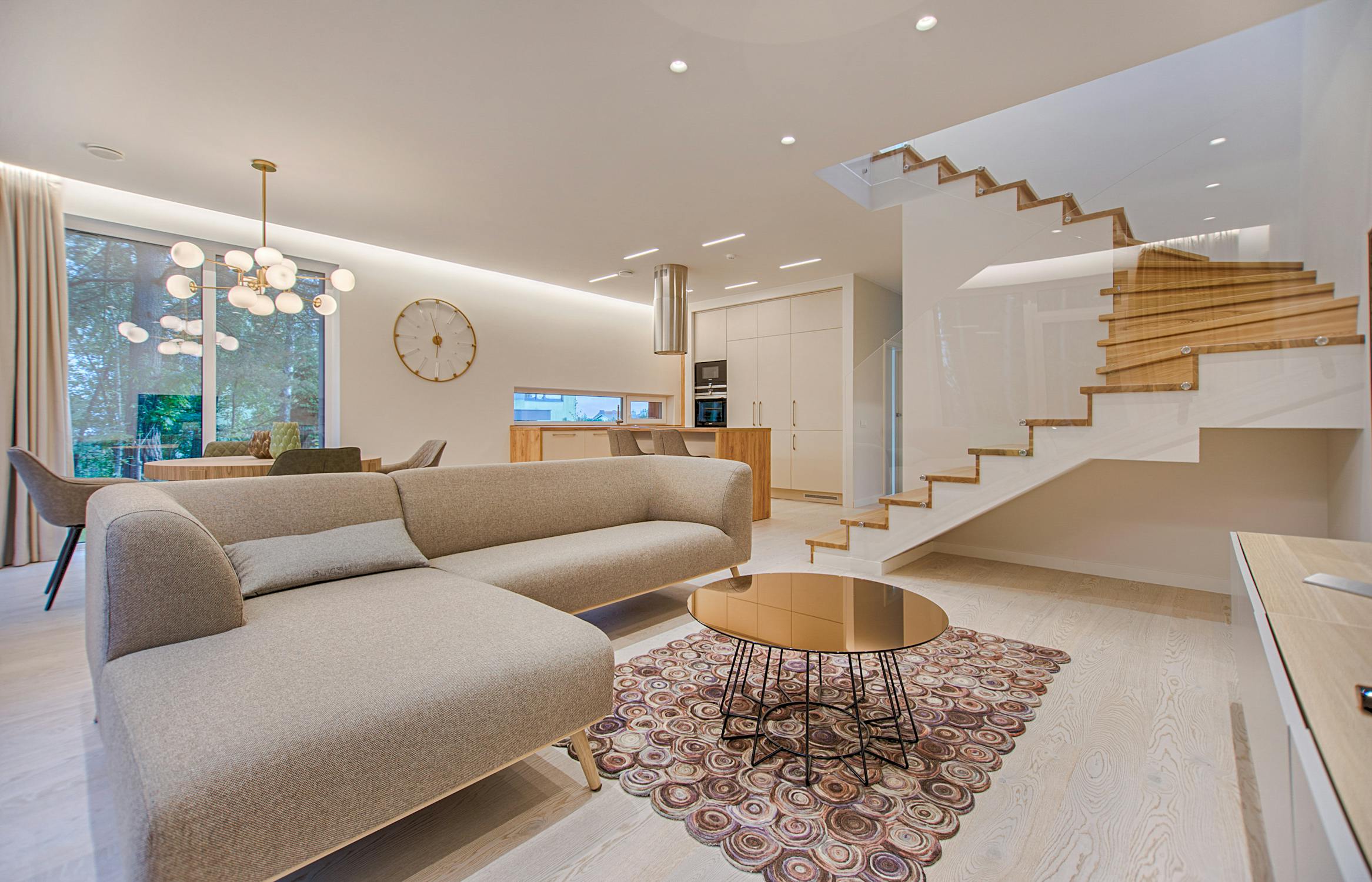
Having rugs throughout your home can actually be more important than you think. Rugs are great for defining specific spaces in larger rooms, helping you to create smart zoning without needing to wall off certain areas.
As a rule of thumb, you want at least the front legs of couches or armchairs resting on the rug when defining a new zone. That being said, you should consider the proportion of your rug to the room in which you’re using it. Make sure it doesn’t look too small for the space or overwhelm it.
Give Your Windows the Design Treatment
Even though they may not be your first thought when planning a home renovation or interior design project, giving your windows some love can be a big help when livening up a space.
Trying out new design looks for your windows, like adding new curtains, blinds, or shades, not only helps to bring down the brightness in your rooms, but they are also a great option for adding some unique personality to the space.
Think about the look you’re trying to achieve and consider adding some fun fabrics or designs that express who you are. This is a great way to add a splash of accent color into a room without requiring you to break out the paintbrush.
Remember the Importance of Scale and Proportion
You’ve probably experienced walking into a room and just felt like something was off without being able to explain why. Sometimes, this is because you’re not using the correct scale and proportion of the space in relation to the type of furniture being used.
For example, having a giant couch in a small room can negatively impact the flow of space just as much as having a large room with only a couple of chairs. It’s important to find the right visual and functional balance of a room when planning your interior design improvements.
Take the time to understand the scale of the room you’re working with before adding or removing features. Sometimes, it’s easier to take some measurements of the room and the furniture you’re using and draft it out first. This gives you an overhead view of the space, which can make it easier to plan different layouts.
Embrace the Use of Mirrors
Mirrors can be a great tool to use in homes of all types and sizes. They can help smaller spaces feel more open and increase the amount of lighting you have in different rooms.
Typically, you want to try to place your mirrors strategically opposite larger windows or sliding glass doors to help you add more depth to living spaces, offices, or bedrooms. You can also add even more design elements by choosing mirrors with interesting frames or shapes.
Create a Cohesive Color Palette
One of the most common ways to add more character to your living space is by choosing a new color palette. Picking the right paint colors for your walls can make all the difference in helping to create a space that looks warm and welcoming.
Depending on your primary goal, you should consider the different ways that each color can change the look and feel of a room. For example, if you’re trying to create a more relaxing atmosphere, like in a study, you should focus on using warm, neutral colors. However, for more lively spaces with a lot of foot traffic, like kitchens, you might want to consider brighter, more energetic colors.
Incorporate More Greenery
Another great interior design choice is to add more natural greenery throughout the home. This helps to bring enjoyable elements of the outdoors inside the house and adds a great splash of color into kitchens, bedrooms, and living spaces.
Plants are also a great way to clean the air inside the home, and there are a lot of plant options to choose from. You could opt for a tall, leafy plant to go in the corner of the space near a window, or smaller potted plants that you could place on mantels, countertops, or end tables.
The Impact of Wall Decor

Image Source: Pexels
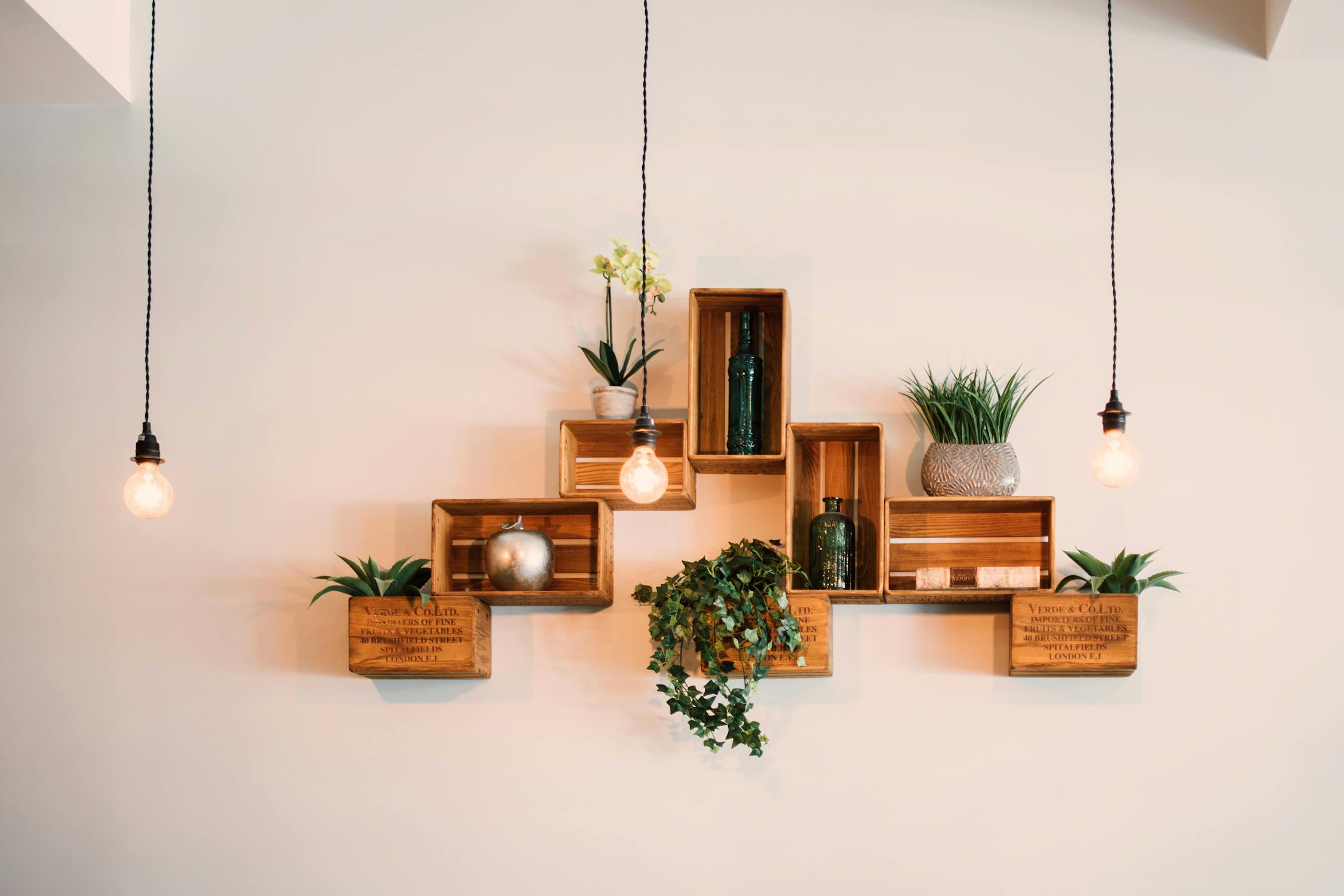
You don’t always need to leave your walls clear when avoiding clutter or trying to maintain a clean-looking space. Bright wall decor can also help to make various rooms look more “complete” without being too distracting.
Artwork, photos, or shelving are all great features that not only help rooms look more complete but also help to add more personality and visual interest. Like with all of your design choices, however, you just want to make sure your wall decor is proportional to the size of the room you have.
Also, remember that when adding wall shelves, you’re slightly modifying the walking and design working space of a room. Try to use shelves that aren’t too deep and still save room for furniture or other features.
Don’t Underestimate the Power of Texture
When introducing new interior design elements to a space, you never want to underestimate the value of texture. Texture can transform a dark, dull room into something that’s much more visually appealing. The great thing is, there are plenty of ways you can accomplish this.
Experiment with combining smooth surfaces with linens or softer materials. You could combine the use of rugs, throw pillows, curtains, or baskets to help certain features pop and contrast. This helps to make a space feel more dynamic and comfortable.
Infuse Personality Into Your Space
Taking on a new design project doesn’t have to be an intimidating experience. By following some of the tips provided here, you can start incorporating more personality into your home while achieving the look and function you’re hoping for.
Author Headshot:

Author Information
Author Name: Rebecca Denis
Author Bio:
Rebecca Denis, Head of Design at Revive Real Estate, is an accomplished and highly creative interior designer with over ten years of experience in the industry. With a passion for transforming spaces and a keen eye for detail, she has successfully completed numerous projects ranging from commercial spaces to custom show homes.
Thank you,
Glenda, Charlie and David Cates