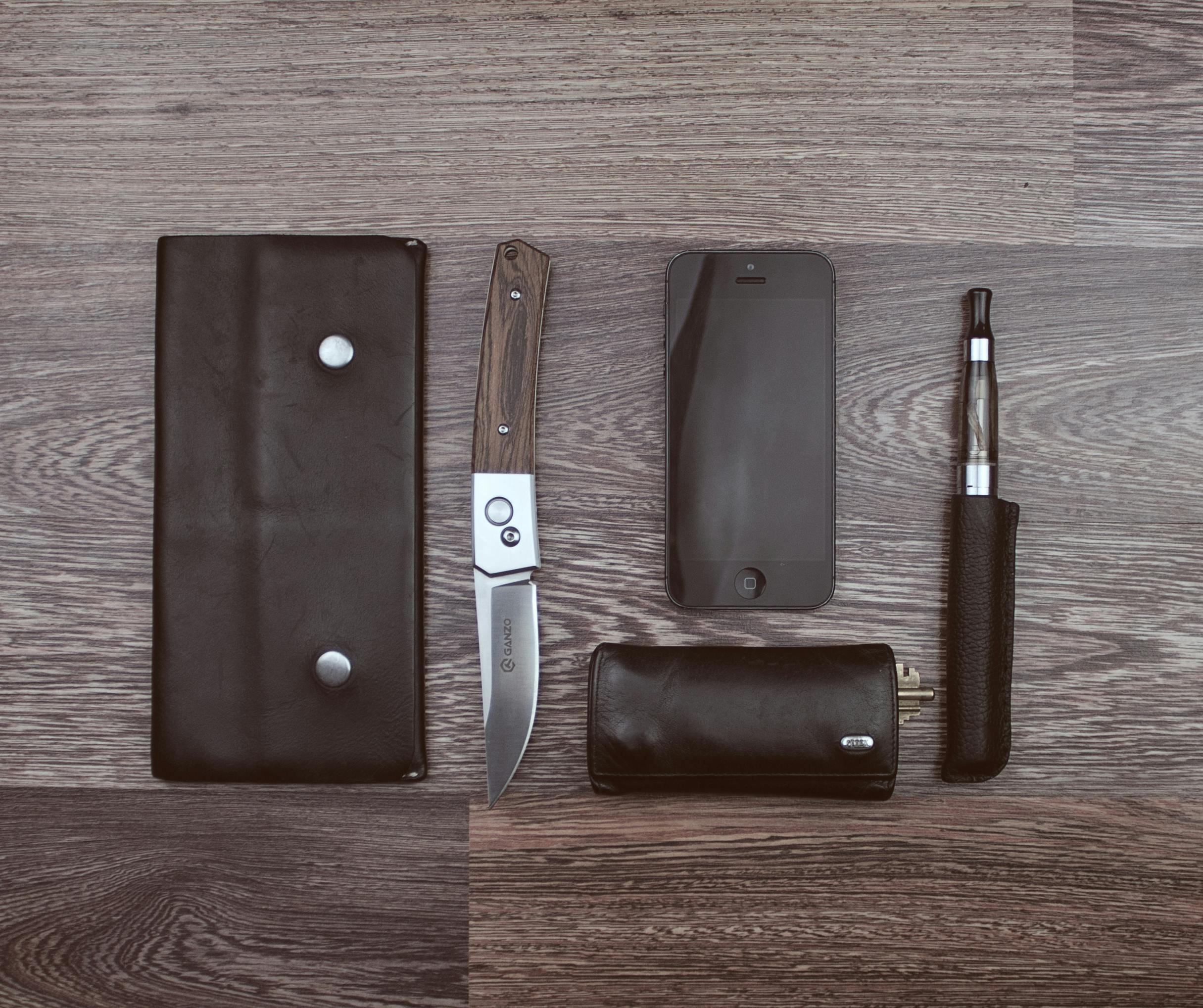
Starting a knife business can be both a rewarding passion project and a profitable venture—if done right. Whether you’re interested in handcrafted artisan blades, high-tech tactical tools, or collectible showpieces, the knife market holds diverse opportunities. With increasing interest in survival gear, outdoor equipment, and custom EDC (everyday carry) products, launching a knife business today is more viable than ever. But building a sustainable brand goes far beyond sharpening steel and setting up shop online. This article walks you through the essential steps to master the art of starting your own knife business, from research and branding to legal logistics and marketing strategy.
Research the Market and Identify Your Niche
Before you forge your first blade or design your logo, deep market research is crucial. The knife industry is broad, covering everything from kitchen knives and hunting tools to folding knives, OTF (out-the-front) knives, and fantasy collectibles. Understanding who your customers are and what they’re looking for is key to carving out your niche. Are you appealing to outdoorsmen, chefs, collectors, or law enforcement personnel? Each audience has different expectations, price sensitivities, and product requirements.
Study your competitors—both small-scale artisans and major manufacturers. What types of knives are trending? Are there underserved areas in the market? Try to spot gaps where your offering can stand out. Maybe it’s custom engraving, locally sourced materials, or a subscription-based knife club.
Design, Production, and Sourcing Essentials
Once your niche is defined, it’s time to tackle the production process. Will you be crafting the knives yourself, outsourcing to a manufacturer, or doing a hybrid model where you design and brand products produced elsewhere? Each model comes with pros and cons.
Handcrafting gives you complete control over quality and design but requires a steep learning curve and investment in tools and materials like steel, handle composites, grinders, and heat-treating equipment.
If you’re selling specialized products like an OTF knife, keep in mind the technical complexity of such mechanisms and the legal restrictions in various regions. You’ll need to partner with reputable suppliers, ensure quality control, and be mindful of safety features to protect your brand’s integrity. Material sourcing is also key—buyers today care about ethical production and durability, so transparency in your supply chain can become a strong selling point.
Build a Strong, Legal, and Compliant Foundation
Knives are considered weapons in many regions, so legal compliance is non-negotiable. Depending on where you operate and whom you ship to, you’ll need to navigate a complex web of federal, state, and local laws. For example, automatic knives, butterfly knives, or certain blade lengths may be restricted in specific jurisdictions.
Register your business, obtain any required licenses, and consult with a lawyer familiar with weapons law to draft airtight terms and conditions, liability disclaimers, and shipping policies. Consider liability insurance to cover accidents and protect your business from legal claims. If you’re manufacturing in-house, you’ll also need to adhere to occupational safety standards.
Your brand identity matters here, too.
Develop a Strategic Marketing and Sales Plan
Even the sharpest blade won’t sell itself. You need a marketing strategy tailored to your audience. Start with a visually compelling online presence—high-quality product photography, clear product descriptions, and customer testimonials go a long way. Knife buyers often appreciate behind-the-scenes content, such as videos of the forging process or interviews with blade makers.
Leverage social media platforms like Instagram, YouTube, and TikTok, where EDC and gear enthusiasts are actively engaged. Influencer marketing can be especially powerful in the knife community, particularly when showcasing how your knives perform in the real world. Forums like BladeForums or Reddit’s knife communities are also goldmines for direct feedback and promotion.
Focus on Customer Experience and Long-Term Growth
Customer experience will define your long-term success. This goes beyond delivering a product—it’s about building a loyal community around your brand. Make sure your shipping is timely, your customer service is responsive, and your return policies clear and fair. If you offer customization, be meticulous in communicating timelines and specifications.
Encourage product reviews and social shares to boost credibility. Loyalty programs, knife care guides, or limited-edition drops can also foster repeat business. Monitor analytics to understand your best-selling products, top traffic sources, and conversion rates so you can optimize accordingly.
Starting a knife business is not just about tools and techniques—it’s about vision, discipline, and precision. Like any craft, success in this space demands patience, constant refinement, and a deep respect for your product and your customers. From finding your niche and designing standout blades to navigating complex legalities and marketing with purpose, each step is an opportunity to hone your edge. Whether you’re aiming to disrupt the market or build a boutique brand for a loyal niche, mastering the business of knives means staying sharp—in every sense of the word.
Thank you,
Glenda, Charlie and David Cates