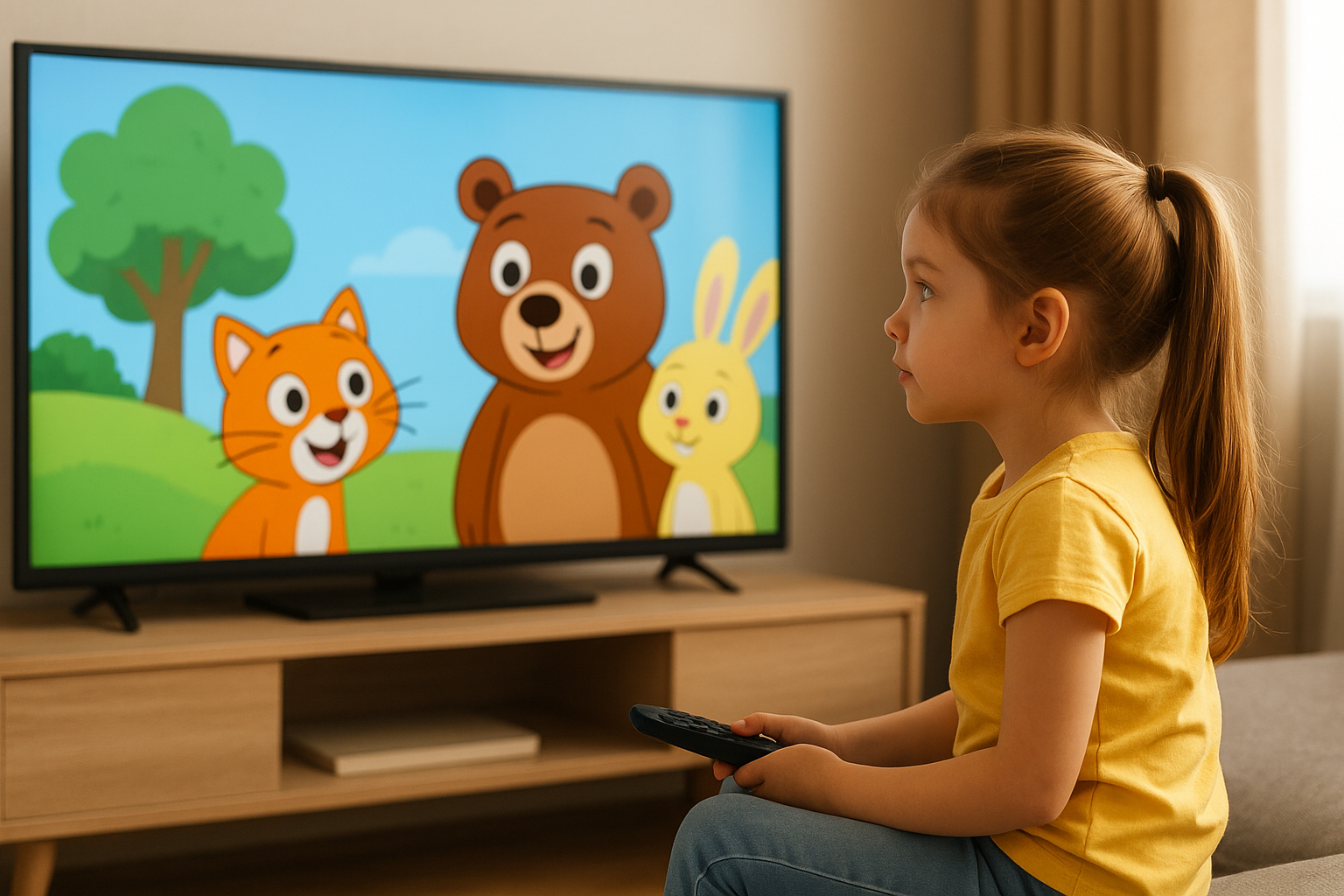
Parents today walk a fine line: kids love cartoons, but choosing shows that are both fun and educational can feel overwhelming. With so many streaming platforms pushing endless content, it’s harder than ever for families to decide what’s worth watching. The good news? A little structure, some smart selection, and understanding what makes a cartoon educational can make screen time a positive part of your child’s day.
In this guide, we’ll break down what parents should look for, how to evaluate shows for learning value, and where to find reliable recommendations, including expert insights from Stripes Blog, where I work on cartoons, anime, and entertainment-related content daily.
Why Educational Cartoons Matter
Kids absorb information quickly, sometimes without parents even realizing it. The right cartoons can improve:
- Language development
- Problem-solving skills
- Emotional awareness
- Creativity and imagination
- Basic academic foundations (letters, numbers, shapes)
Not all screen time is the same. The quality of the show matters far more than the number of minutes your child sits in front of a screen.
How to Identify Educational Cartoons
If you’re unsure whether a show actually teaches something valuable, look for these signals:
1. Purposeful Storytelling
Educational cartoons have a clear theme or lesson behind each episode. Shows like Daniel Tiger’s Neighborhood teach emotional skills, while Octonauts focuses on marine biology.
2. Age-Aligned Messages
A great educational show matches your child’s cognitive level. Preschoolers need simple stories and repetition. Early graders do better with light problem-solving and teamwork themes.
3. Slow, Calm Pacing
Overly fast, chaotic cartoons overstimulate kids. Educational shows tend to have slower visual pacing and more deliberate narration.
4. Positive Character Role Models
Look for characters who show teamwork, empathy, curiosity, and resilience. If you need help discovering child-friendly characters, resources like the top 100 cartoon characters guide can be useful when evaluating what your child relates to the most.
5. Real Learning Objectives
Some cartoons work with child educators and psychologists to shape content. These shows often include:
- Counting
- Vocabulary building
- Simple science topics
- Social-emotional lessons
- Problem-solving sequences
Recommended Educational Cartoon Types
Instead of sticking to a single show, try exposing your kids to a blend of content types:
1. Academic-Based Cartoons
Great for teaching numbers, letters, shapes, and early math.
2. Emotional and Social Learning Cartoons
These highlight kindness, communication, and emotional awareness.
3. Adventure-Based Educational Shows
Characters solve puzzles or mysteries, encouraging reasoning skills.
4. STEM-Inspired Cartoons
Perfect for curious children who love to explore how things work.
5. Cultural & Language Learning Cartoons
Exposing kids to different cultures and languages broadens their worldview early on.
Healthy Screen Time Habits for Kids
Choosing the right cartoon is only half of it; managing screen time properly ensures kids actually benefit.
1. Set Reasonable Time Limits
Follow age-appropriate guidelines. Quality over quantity is key.
2. Co-Watch When Possible
Sitting with your kids during screen time encourages conversation and helps reinforce lessons.
3. Create a Structured Routine
Screen time feels healthier when it’s predictable for example, after homework or before dinner.
4. Encourage Post-Show Activities
Ask questions like:
- “What did you learn?”
- “What would you do in that situation?”
Even 2–3 minutes of dialogue can double the value of the episode.
5. Balance Screens with Real-World Play
The best cartoons spark creativity, but real play solidifies those ideas.
Where to Find Reliable Cartoon Recommendations
Parents don’t always have time to watch every show first, and that’s where curated resources help. On platforms like Stripes Blog, we regularly discuss cartoons, anime, and entertainment insights to help families understand what’s trending, what’s safe, and what’s genuinely worth watching.
Look for:
- Parent-focused reviews
- Character breakdowns
- Age-group recommendations
- Educational content ratings
These can save hours of guesswork and help you build a healthy watchlist for your family.
Final Thoughts
Screen time doesn’t have to be something parents stress over. With the right shows, cartoons can support learning, creativity, emotional development, and even family bonding. By intentionally choosing educational content and keeping screen habits balanced, you can turn TV time into a meaningful part of your child’s day.If you’re exploring new characters, themes, or show recommendations, don’t hesitate to dive deeper into trusted resources like stripesblog. It’s a helpful space dedicated to cartoons, anime, and entertainment insights that support parents and fans alike,
Thank you,
Glenda, Charlie and David Cates