Inside this post is my affiliate links. If you click on the links and make a purchase, I will make a small percentage from the products purchased.
By Sarah Allen Benton, LPC, LMHC, AADC
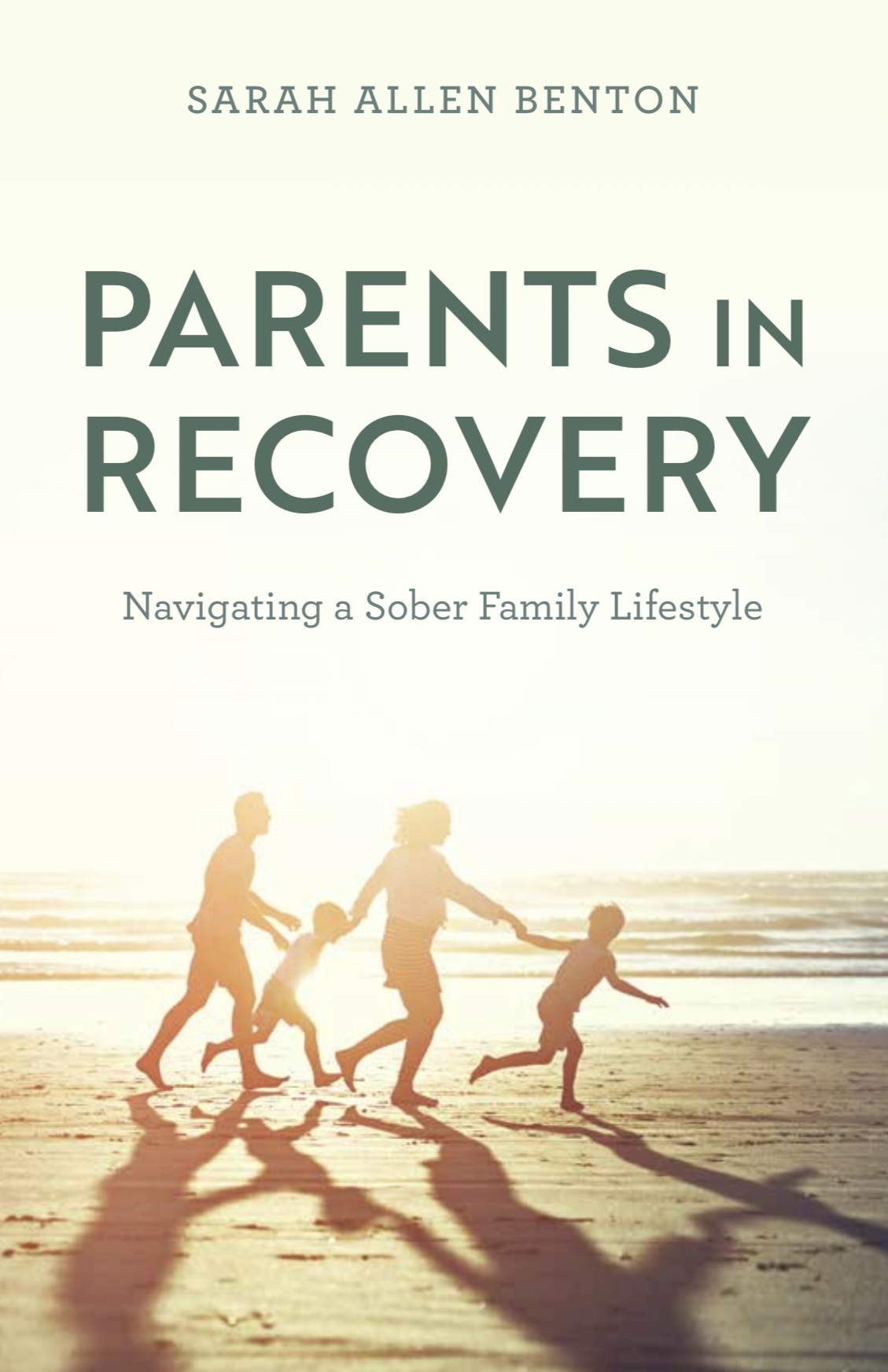
Sarah Allen Benton is the author of In PARENTS IN RECOVERY: Navigating a Sober Family Lifestyle (Rowman & Littlefield). She is an Advanced Alcohol and Drug Counselor and Licensed Mental Health Counselor. She is Chief Clinical Officer and co-owner of Waterview Behavioral Health. She is co-owner of Benton Behavioral Health Consulting, LLC, offering clinical and business support services to innovative addiction and mental health companies. She holds a Master of Science in Counseling Psychology with an emphasis in Health Psychology. She has been sober for more than 20 years.
Parenting teenagers is full of difficult choices and complicated mazes. There is not one way to navigate it and each family has their own culture and style for broaching these topics. Substance use is a loaded subject that can bring up many emotions including fear, denial, anger and so many more. This topic may also bring family systems issues to the surface including the parents’ own relationship with substances and the extended families’ substance use patterns. Parents in recovery (PIRs) report more anticipation that their children may start drinking and using substances early and possibly following in their footsteps than other parents. This is also rooted in heritability research which indicates that children of those with alcohol use disorder have a 50% chance of developing the disorder.
Some families have very open communication and transparency around the common teenage topics of intimacy, substance use, online predators, physical safety etc. They are hoping that by initiating the discussion and avoiding a punitive environment that their children will feel safe confiding in them. This process takes time, as most children fear their parents’ judgement and reactions for behaviors that they deem as “not allowed”. Surprisingly, when the consequence is a discussion around behaviors and making better future decisions, teens may slowly see that their parents are trying to guide them towards better life choices.
Other families have formed a punitive and avoidant culture. They may believe that repressing these topics will prevent them from occurring and from planting seeds in their children’s minds. There may also be a family expectation that these unmentionable things are not happening nor are they going to happen in their home. When children are growing up, they are given clear punishments for breaking rules and engage in less discussion around the rationale for why. This can be effective when children are younger, but that strategy slowly loses effectiveness as teens learn how to hide certain behaviors.
Research indicates that there are ways in which parenting styles matter when it comes to substance use. A 2024 meta-analysis finds that authoritative parenting is associated with lower youth substance use, while non-authoritative styles are linked to higher use. Talking early, often and setting specific and consistent rules were also found to decrease teenage usage. Additional research shows harsh and punitive parenting predicts greater adolescent problem behaviors and substance use, in part by amplifying sensation-seeking and escapism.
Specifically, the content of the “talk” around substance use matters. Studies mapping “drug-talk styles” show families vary from complete avoidance to direct conversations that give reasons, expectations, and coping strategies—styles associated with healthier trajectories than silence. Parents who are supported in communicating clearly about substance use expectations, practice refusal skills with kids, and monitor consistently reduce adolescent initiation and growth in use. The following are strategies for parents of teens:
- Fostering a family culture of communication
- Engaging in preventative mental health and substance use support
- Encouraging honesty before punishment
- Exposing them to the positive culture of recovery and wellness
- Allowing them to have their own cause-and-effect experiences
- Asking questions and learning about your teen’s social culture
- Being open about how their behaviors impact you and the family system
- Creating room for their emotions
- Being human and relatable
- Express care, set specific no-use expectations, and explain why (health, safety, legal). (Not scare tactics.)
- Make it ongoing, two-way: short, age-appropriate check-ins tied to real situations (parties, rides, social media).
Sources
- Benton, Sarah Allen. (2024). Parents in Recovery: Navigating a Sober Family Lifestyle. Lanham, MD: Rowman & Littlefield.
- Berge, J. (2016). Role of parenting styles in adolescent substance use. PMC article.
- Carver, H. (2017). Parent–child connectedness and communication in adolescent substance use. Tandfonline article.
- Chaplin, T. M. (2014). Parental-Adolescent Drug Use Discussions: Physiological and Observational Study. Journal of Adolescent Health.
- Defoe, I. N. (2023). A cross-national study on adolescent substance use. Journal of Research on Adolescence.
- Escamilla, I. (2024). Substance Addiction in Adolescents: Influence of Parenting. MDPI article.
- Pinquart, M. (2024). Associations of parenting styles with substance use in the offspring: A meta-analysis. PMC article.
- Rodríguez-Ruiz, J. et al. (2024). The Influence of Different Dimensions of the Parent–Child Relationship as Predictors of Substance Use. International Journal of Mental Health and Addiction.
- Shin, Y. J. (2018). Differential Effects of Parental “Drug Talk” Styles and Family Communication Environments. Chapman University digital commons.
- Villarejo, S. (2024). Is Parental Strictness Always a Protective Factor? Psychology in Spain.
Thank you,
Glenda, Charlie and David Cates