
When your baby has phlegm, knowing how to take out phlegm from the baby using gentle means is crucial. This aids in providing relief for both you and your little one. In this article, we will explore various methods to safely remove mucus. This includes using the best nasal aspirator for baby, steam therapies, and other home remedies. Moreover, we will explain the benefits of understanding these techniques that will make your baby breathe more comfortably.
Why Babies Get Phlegm and Mucus Buildup
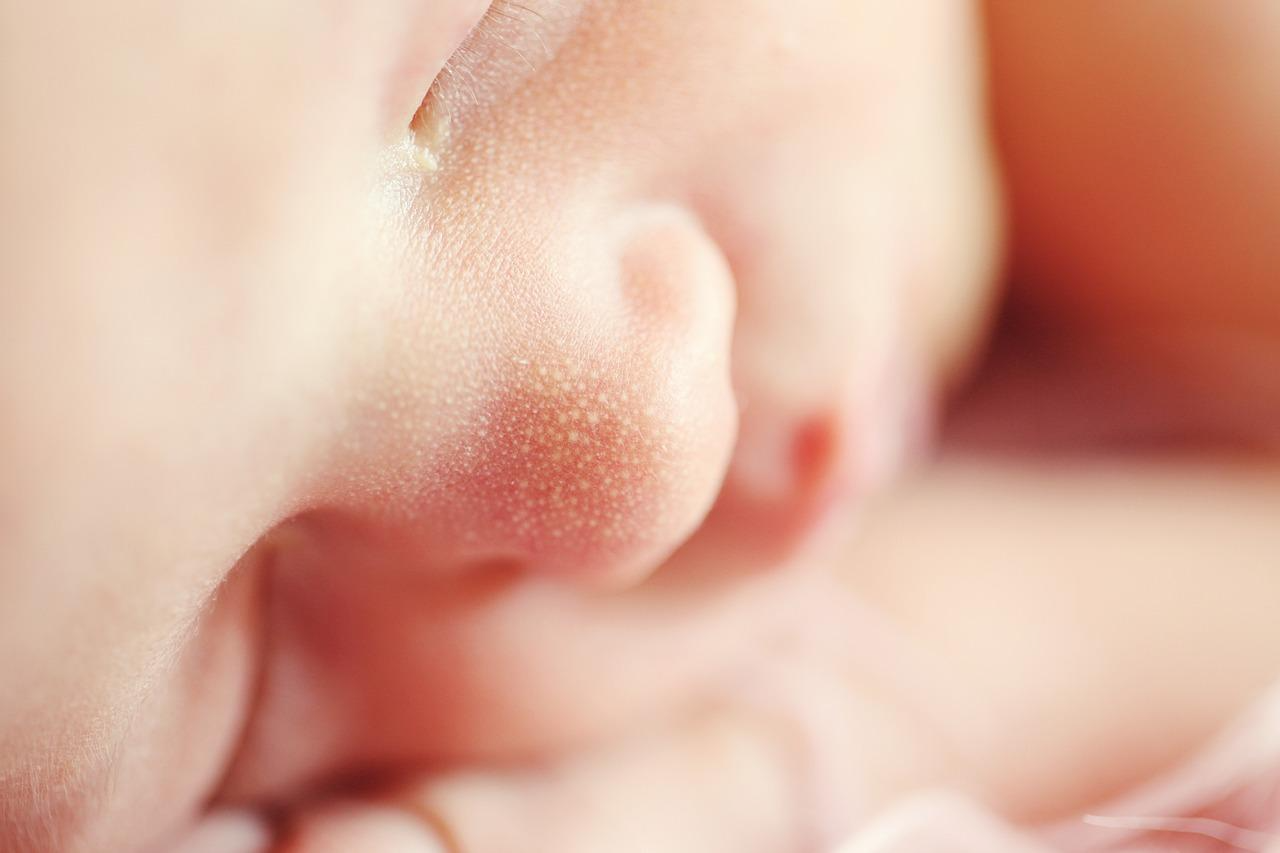
With their still-developing immune systems, babies are more prone to develop phlegm and mucus. This natural body mechanism enables their bodies to fight off germs and other irritants that pass through their nasal passages. The trapping of dust and other debris using mucus acts as a barrier for your little one to expel them naturally. They do this through sneezing or coughing. Since most infants are primarily nose breathers, excessive phlegm in their airways can lead to discomfort and result in breathing difficulties.
Several factors contribute to increased mucus: colds, allergies, dry indoor air, and environmental irritants like smoke. Since babies cannot blow their noses, mucus collects, causing stuffiness and sometimes coughing.
How to Tell If Your Baby Is Struggling with Phlegm
It’s important to recognize when your baby’s phlegm buildup affects their well-being. Watch for these signs:
- Noisy or congested breathing, especially with wheezing or gasps
- Frequent coughing or gagging
- Difficulty breastfeeding or feeding due to blocked nasal passages
- Fussiness, irritability, or trouble sleeping
- Snoring or restless sleep caused by congestion
If these symptoms persist or worsen, timely intervention can ease your baby’s discomfort and support healthy breathing.
Using a Bulb Syringe or Nasal Aspirator the Right Way
One of the safest ways to take out phlegm from your baby is to use a bulb syringe or a nasal aspirator. To do this gently and effectively, follow these steps:
- Prepare the device: Always wash your hands first. Sterilize the bulb syringe or nasal aspirator by cleaning with hot, soapy water and rinsing well.
- Position your baby: Lay your baby on their back with the head slightly elevated, supported by a rolled towel or your hand.
- Suction the mucus: Squeeze the bulb or turn on the aspirator to expel air before inserting the tip gently just inside one nostril. Release the bulb slowly or activate suction to draw out the mucus. Be careful not to insert the tip too far to avoid irritation.
- Clean and repeat: Expel the mucus onto a tissue. Clean the bulb and repeat in the other nostril if needed.
- Use saline drops when necessary: For thick, stubborn mucus, apply 2–3 drops of saline solution into each nostril before suctioning. This helps loosen the mucus for easier removal.
Limit suctioning to a few times daily to prevent nasal irritation. Choose a model designed for babies with soft tips for comfort.
Many parents find that the best nasal aspirator for baby provides gentle, controlled suction, making mucus removal easier for both baby and parent.
Creating Steam with a Warm Shower or Humidifier
Steam therapy naturally loosens mucus and eases nasal congestion. Here are two safe ways to provide steam:
- Run a warm shower to fill a small bathroom with moist steam. Sit with your baby at a safe distance to breathe in the humid air for 10 to 15 minutes. Always supervise your baby closely.
- Use a cool mist humidifier in your baby’s room to maintain air moisture levels, especially during dry months. This ongoing moisture helps thin mucus and prevents irritation of nasal passages.
Avoid hot steam that could burn. Steam sessions make mucus thinner and easier to clear with a nasal aspirator or gentle pats.
Gentle Tummy Time and Chest Pats to Help Drain Mucus

Physical movement aids mucus drainage from the lungs and throat. Here’s how to help your baby:
- Encourage gentle tummy time on a firm, safe surface to help mucus shift in the chest. Stay close to support your baby.
- Perform light chest pats by holding your baby comfortably on your lap or across your knee. Using a cupped hand, gently tap their back or chest area (avoid the spine and stomach). This percussion helps loosen mucus and stimulate coughing to clear airways.
Always observe your baby’s responses; stop if they become upset or uncomfortable.
Keeping Your Baby Hydrated to Thin Out Secretions
Hydration plays a vital role in mucus management as fluids thin secretions, making them easier to expel. For babies under six months, increase breastfeeding frequency because breast milk provides hydration and immune support. For older babies, offer small amounts of water alongside regular feedings.
Well-hydrated babies usually have looser mucus, reducing stuffiness and promoting healing.
When Feeding Helps Clear the Throat Naturally
Feeding itself helps clear mucus by triggering the swallowing reflex, which can remove mucus accumulation in the throat. To make feeding more comfortable for a congested baby:
- Feed your baby in a slightly elevated position to reduce nasal blockage.
- Allow extra time for feeding, as congestion may slow sucking and swallowing.
- Gently wipe the baby’s nose and mouth during and after feeding to clear any mucus.
Feeding combined with other methods enhances throat clearing and keeps your baby calm.
When You Should Call a pediatrician

While mucus and phlegm are common in babies, certain signs mean it’s important to get medical advice promptly. Contact your pediatrician if your baby has:
- Difficulty breathing, wheezing, or very noisy breathing
- Breathing faster than 40 breaths per minute or nostril flaring
- Blue or pale skin, especially around the lips or nose
- Persistent high fever (100.4°F / 38°C or above)
- Green, yellow, or bloody mucus
- Little or no urine output (possible dehydration)
- Refused feedings or vomiting
- Cough lasting more than two weeks or worsening despite home care
- Excessive lethargy, sleepiness, or irritability
- Signs of dehydration such as dry mouth, crying without tears
Seek emergency care immediately if your baby is not breathing normally, turns pale or blue, or becomes unresponsive.
This detailed, gentle approach ensures you safely take out phlegm from your baby, making them more comfortable and promoting easier breathing. Prioritize hygiene, use gentle techniques, and consider trusted tools such as the best nasal aspirator for baby from MomCozy for optimal care.
Thank you,
Glenda, Charlie and David Cates
Let us know if you enjoyed this post!

Like

Love

Happy

Haha

Sad