
Culinary Explorations: Introducing Kids to Global Flavors
Introduction:
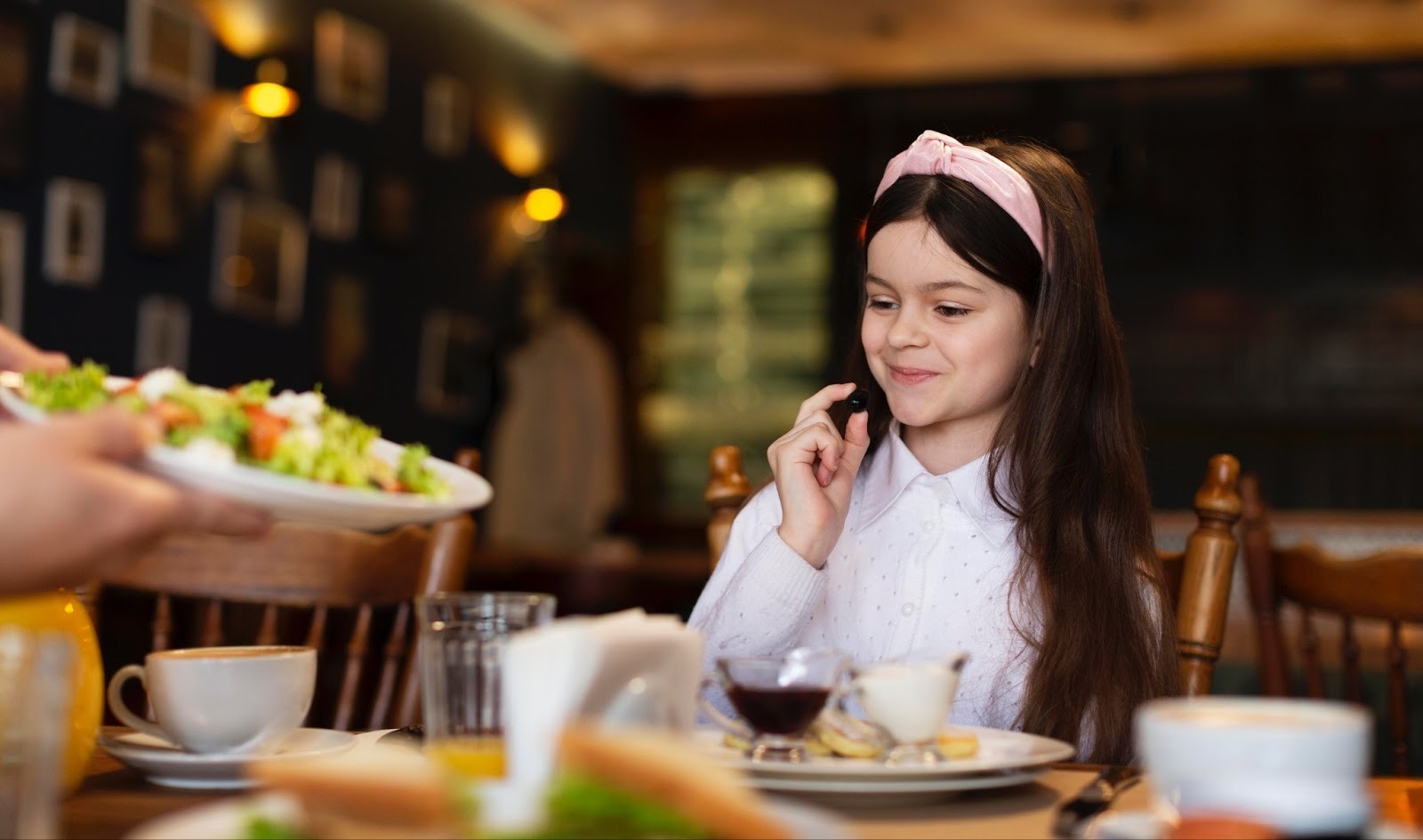
Imagine that your five-year-old gingerly takes a bite of homemade Thai spring rolls and their eyes widen as the fresh mint and cilantro explode across their palate. After a moment of contemplation they have picked out another piece. This small win is actually much more than just trying a new food; it is the start of the journey of cultural curiosity and appreciation that will last a lifetime.
In our increasingly integrated world, it is more important than ever to raise globally minded children.
While we often consider where and how to teach kids geography, languages, or world history, we sometimes forget one of the most delectable and wonderful ways to teach about culture: food. The kitchen can be a passport to adventure where every meal is a chance to travel to other parts of the world to learn about customs and traditions, increase palates and perspectives.
Why Global Flavors Matter for Growing Minds
It is well established through research that children exposed to various foods at an early age not only eat more variety on a daily basis, but they are less picky eaters overall, developing more sophisticated palates, and are generally more willing to try new things, expanding beyond meals into new experiences at large. This adventurousness of trying new foods is likely a driver of confidence in new experiences beyond food.
Additionally, when cooking an international recipe together, there is a rich opportunity to create a story behind the food. While stirring a pot of Mexican pozole or in the process of folding Japanese gyoza, you can tell the child the story about the history of the food and the cultural origins of the people who eat it and the celebrations that their culture incorporates within the food also. Food becomes the experiential history lesson you can engage all five senses in.
Starting the Journey: Making It Fun and Approachable
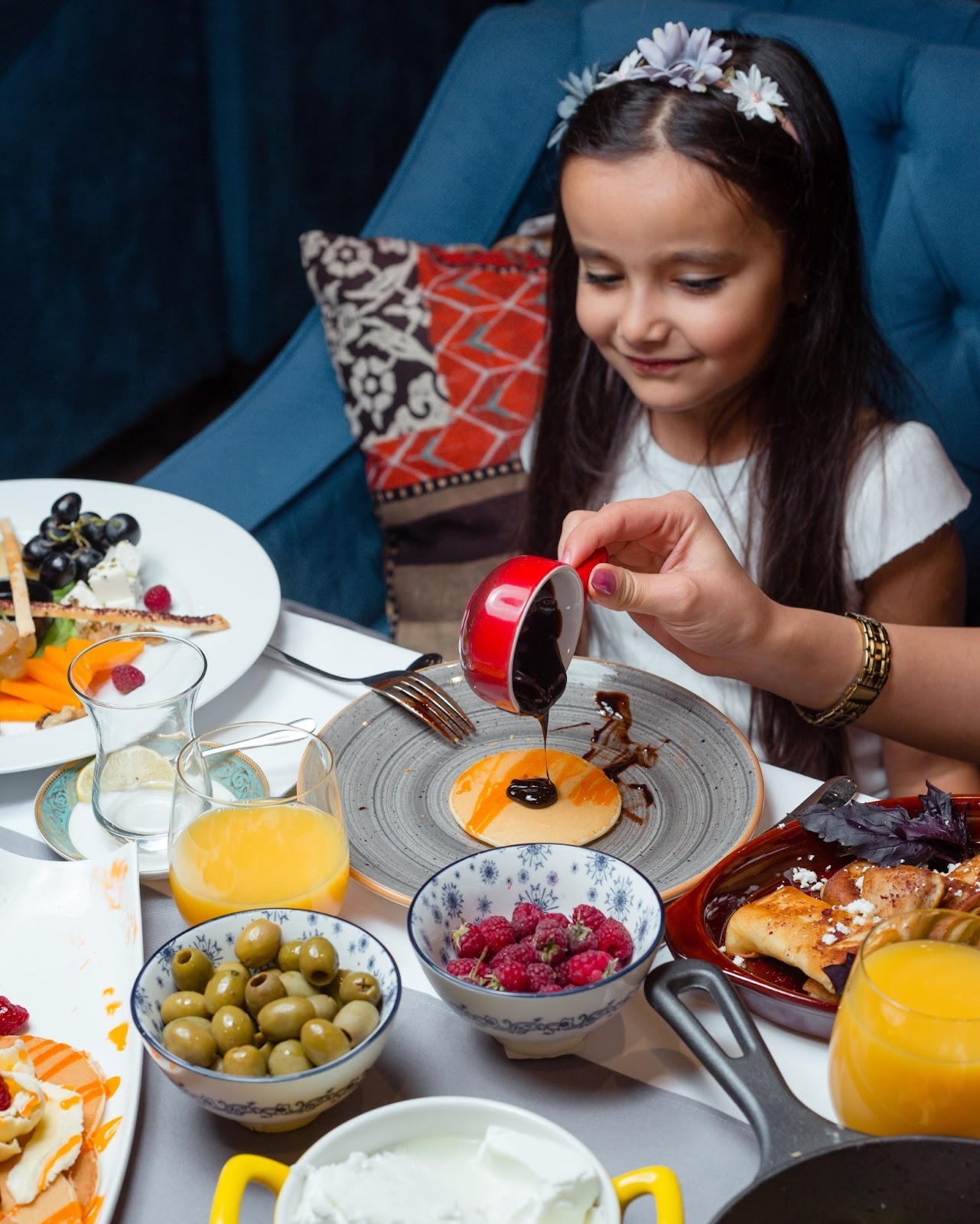
The key to enabling children to explore global flavors is to make it fun, not frightening! You can initiate the global diversion with kid-friendly entry points into each different type of cuisine. You don’t want to take your kids and have every global meal be a fear-factor! You want them to have fun and to ultimately want to enjoy their experience with these flavors.
To that end, you can consider starting with familiar formats that are enhanced by introducing flavors! Most kids love tacos. Why not host a themed taco night around the world, with Korean bulgogi tacos one week and Middle Eastern falafel tacos the next? Pizza is another fun and kid-friendly format that can introduce different flavors with toppings from around the world, from Japanese teriyaki chicken pizza to Indian paneer tikka pizza!
Another popular strategy is to let kiddos be “food explorers” where they are a “flavor detective.” Frame it as an adventure where they will be exploring new tastes and reporting back their new finds. Kick things off with a food passport, where kids can earn stamps (or stickers) for each country’s cuisine they tried (and whether they liked it), and potential notes for what shocked them!
Practical Strategies for Adventurous Eating
Exciting children about international foods is a challenge that requires planning and experimentation. Below are some ideas that have worked for families around the world:
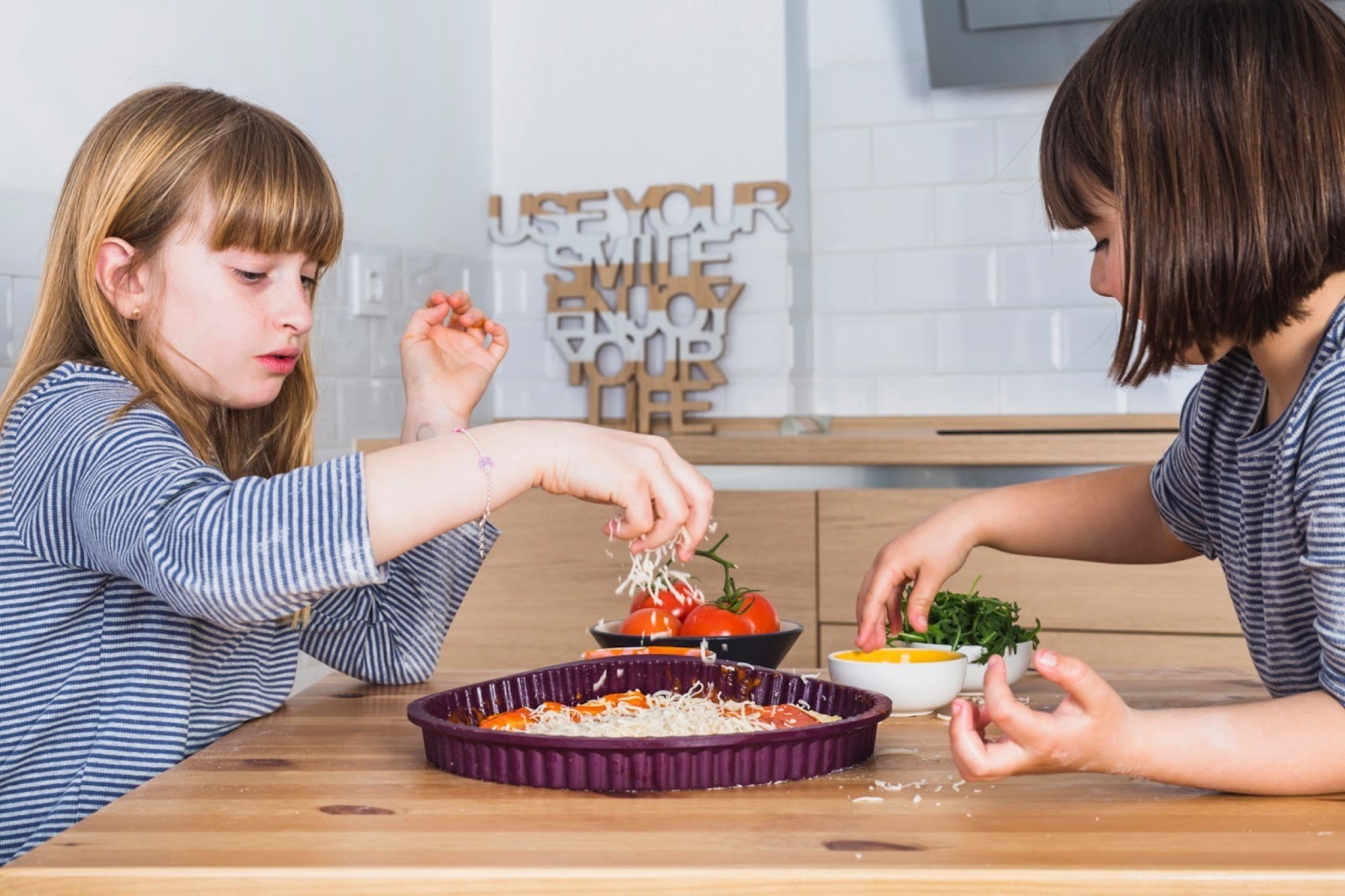
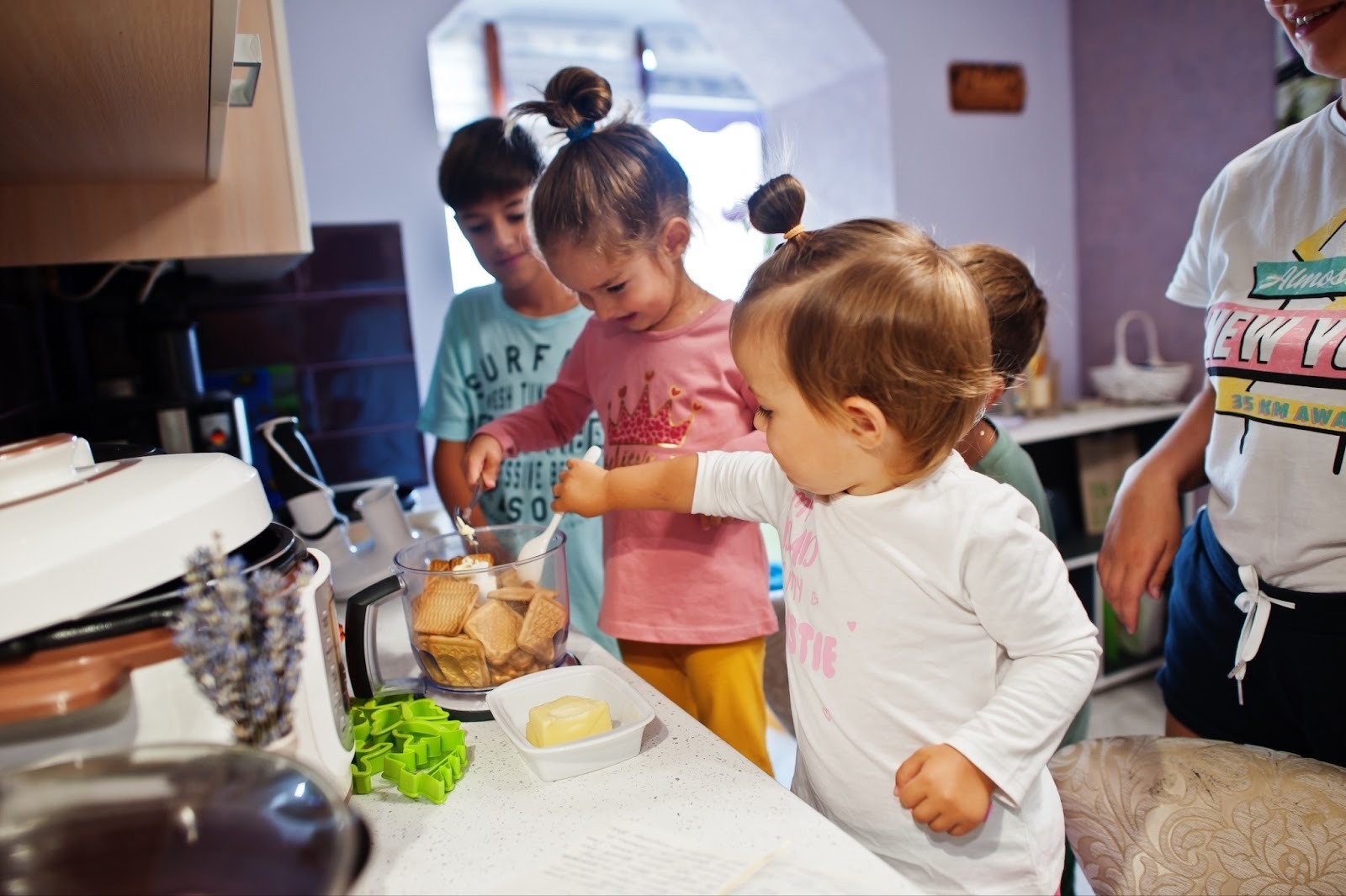
- Involve your child in the cooking- Kids are much more likely to try something they made. Have them measure the spices for Moroccan tagine (and taste them!), roll sushi rice, or knead the basic dough for Indian naan bread. The pride of making a food far outweighs the hesitation of having something they have not tried.
- Start with the sweet- Most cultures have wonderful desserts that could serve as an introduction to the new flavor profile. Mochi from Japan, crepes from France, churros from Mexico, or gelato from Italy are rarely refused by a young taste tester!
- Use dipping sauces as the bridge- Kids love to dip things; hence, anything consistent with dipping is an interactive experience. Vietnamese spring rolls with peanut sauce, pita and tzatziki from Greece, or injera with pepper spiced lentils from Ethiopia will all have your child engaged in eating experience!
- Explain your dish’s story- Prior to serving the dish, share an interesting characteristic or origin story. For example, “Did you know that pasta originated in China and was then brought over to Italy by Marco Polo?” or “This paella from Spain is prepared in a large pan over a fire for family gatherings.” Providing context with the dish creates curiosity.
- Be okay with the “no thank you” bite- Instead of making kids clean their plates, you can make the rule that you must have at least a polite taste of everything served to you. This relieves pressure to eat it all while exploring new foods.
Creating Cultural Connections Beyond the Plate
For an even deeper educational impact of food experiences, try to connect the food experience to broader cultural learning. After a Thai meal, watch a short video on floating markets in Bangkok. After a dinner of Nigerian food, listen to some Afrobeat music together. Once you’re comfortable with making French crepes, look at some pictures of the Eiffel Tower and read a children’s book that takes place in Paris.
You may even want to arrange international potlucks with other families, where each house brings a dish from a different country. This will provide your children with even more exposure to foods from around the world and will help them learn that being interested in other cultures is a community value. Libraries often have great children’s books that highlight food from around the world, and many streaming services have cooking shows for children that travel to various countries.
Navigating Challenges with Grace
Not every food experiment will be successful, and that is completely fine. Some kids are more naturally cautious of food than others, and too much pushing can cause them to have a negative association. If they genuinely dislike something, acknowledge their opinion while encouraging them to try it again another time, the kids’ tastes can change.
Know the difference between a true aversion to texture versus aversion to flavor. A child who is struggling with slime texture may never love okra no matter how you cook it, but they may love the flavor of West African dishes in other preparations! Work with your child, not against them.
The Long-Term Recipe for Success
Introducing children to the world of flavors and tastes from other places is a marathon, not a sprint! The aim is not to make a tiny food critic who scores every meal on a 5-point scale but to raise a child who is curious and open-minded and who learns to embrace diversity instead of shying away from it. Each taste is an act of bravery and a small step toward being a citizen of the world.
As your children mature and their taste buds broaden, they will take those first experiences with them. They will be the teenager who orders an exotic dish and a college student who visits ethnic restaurants, and the adult who enjoys a meal with co-workers who have different cultural backgrounds. The kitchen table is actually one of the finest classrooms we have. So, get your aprons, your spices, and let the tasty education commence. The world is waiting for you to taste it, bite by bite.
Thank you,
Glenda, Charlie and David Cates
Let us know if you enjoyed this post!

Like

Love

Happy

Haha

Sad