
Introduction:
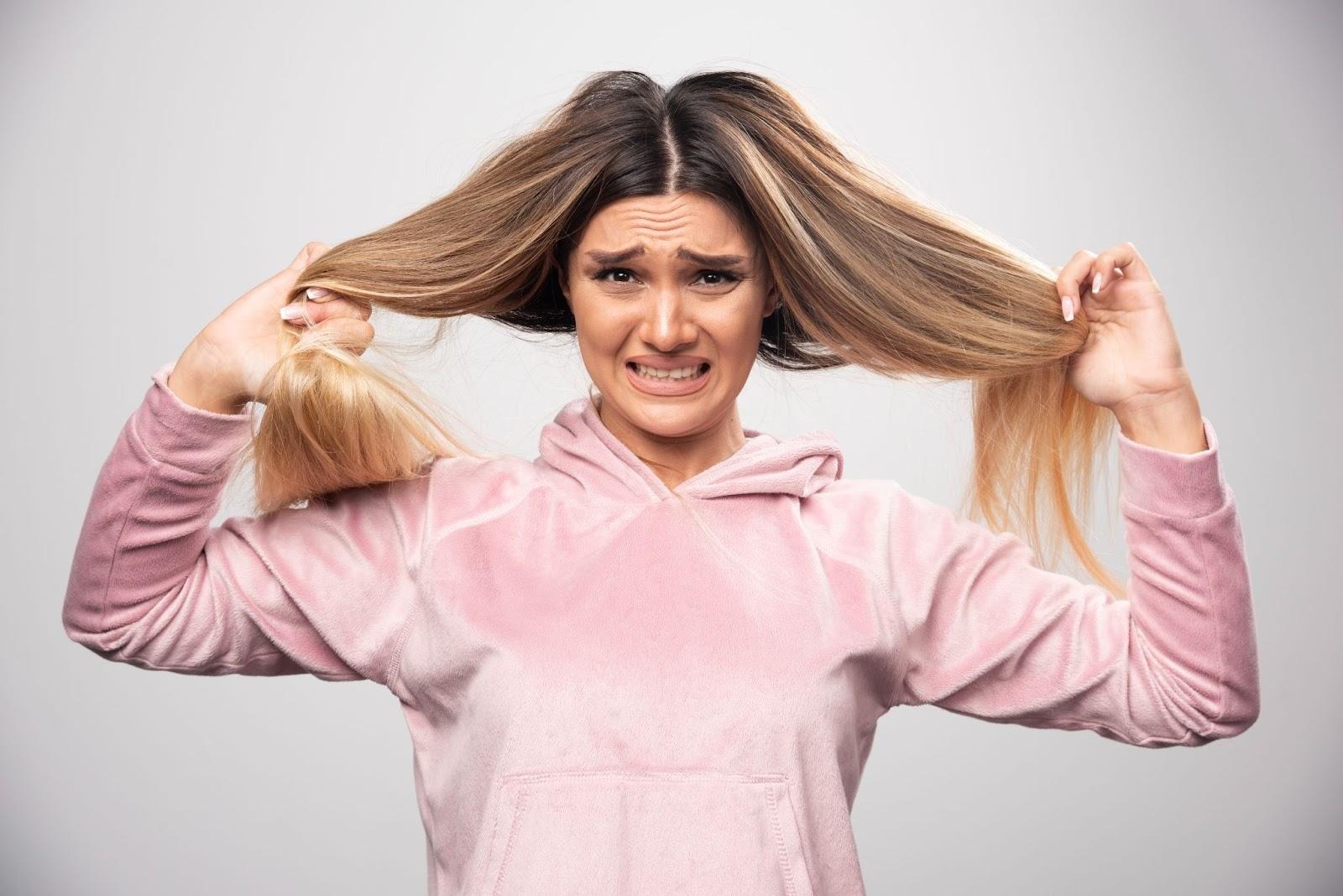
After preparing for work, Sarah noticed something alarming about her hair. The parting of her hair was wider than she expected, and her ponytail was much smaller and thinner than it usually was. She never expected something to happen at 34. She assumed hair loss was something that only men suffered from, fathers, grandfathers, etc.; but she didn’t think it would happen to her.
However, the truth is that approximately 40% of women experience significant hair loss by age 40 and nearly 50% of women lose hair by menopause. Although female hair loss is common, many women suffer from it in silence and stigmas. Many women go through this experience without knowing if what they are experiencing is normal or when they should seek medical help.
By understanding the early warning signs of hair loss and learning about the latest treatment options for women experiencing baldness, a woman can take back control of her hair and establish confidence in the health of her hair instead of watching helplessly as it becomes thin.
The Silent Symptoms: Recognizing Hair Loss Before It’s Obvious
For the majority of women, hair loss does not occur in one dramatic episode. Rather than having one definitive turning point, typically hair loss occurs over time; therefore, why it is important to identify early signs of hair loss.
For instance, a common early sign of hair loss can be that there are more clumps of hair going down the drain while showering than normal. Losing hair at a rate of 50 to 100 per day is considered normal; however, if hair loss continues at the same high rate for several consecutive weeks, it is likely a sign that something has happened to cause changes in the body which have negatively impacted the hair.
Another indicator of potential hair loss would be the condition of your brush. If you have to clean your brush more often because the amount of hair found in the brush is increasing, then the increased frequency and density of hair indicates that the hair may be sending warning signals that something is not right.
Finally, consider the amount of hair present on the pillowcase upon waking up. If there is an unusual amount of hair found on the pillowcase each day, then it is advisable to investigate further. Women tend to have different patterns of hair loss compared to men and a widening part is commonly indicative of hair loss at some stage.
As opposed to developing triangular shapes of balding on the tops of their heads, many females develop just a thin layer of hair on the top of their heads and may find themselves thinning down the entire back.It is also common for a person to experience changes in the texture of their hair as they lose density.
Instead of feeling solid when you tie your hair back, you may notice that you have become thinner than usual and may need to use extra elastic to hold up your ponytail. Additionally, a woman’s hair may become more delicate or have less of a luster than it had previously when thick and full. These small changes, while not as noticeable, should be considered when assessing one’s self-image.
Understanding Why It Happens
Inadequate nutrition, in particular, a lack of vitamins D, iron, zinc, and protein, can have a negative effect on the development of hair follicles. Therefore, women who severely restrict their food intake, as well as those who have heavy menstrual cycles and/or suffer from digestive problems that prevent adequate nutrient absorption, will likely be much more susceptible to experiencing female hair loss.
In many instances, certain medications (e.g., antidepressants, blood pressure medications, and NSAIDS) are listed as being a possible cause of women experiencing hair loss. When women begin a new medication, it would be prudent to discuss the condition of experiencing hair loss with their physician to establish whether any connection exists between this medication and hair loss.
Androgenetic alopecia (female pattern hair loss) affects many women, and it appears that genetics play a large role in this condition. The progressive nature of androgenetic alopecia involves an increased sensitivity of hair follicles to androgens that leads to a gradual miniaturization of hair follicles.
Modern Treatment Options: Beyond Old Myths
The treatment of hair loss has changed dramatically over the past few years. Today, women no longer have to accept that thinning hair is just something they will have to deal with.Minoxidil is still the most commonly used and well-known treatment for female pattern baldness. It is available in both 2% and 5% topical formulation and is sold without a prescription.
Minoxidil works by extending the anagen (growth) phase of hair follicles and increasing the blood flow to the scalp. Most women will notice some degree of improvement within 3 to 6 months of consistent use. However, it must be used on an ongoing basis in order to maintain results.
Women with certain hormonal abnormalities, particularly elevated androgens, may benefit from anti-androgen medications. For example, Spironolactone was initially developed as a hypertension treatment; however, it also blocks the activity of androgens and may help to slow down or even reverse the thinning hair in many women. Also, birth control pills that possess anti-androgenic properties may also provide effective treatment options.
Low-level laser therapy has emerged as another type of non-invasive treatment for hair loss. There are several FDA-cleared products available, such as handheld laser combs and laser caps, which use specific red wavelengths of light to encourage cellular activity in hair follicles. While not everyone will experience positive outcomes, studies show that there is a statistically significant increase in hair density for many users.
The use of nutritional supplements should be carefully considered, especially when nutrient deficiency has been identified via blood test. While biotin supplementation is somewhat overhyped, targeted supplementation for actual deficiencies such as iron, vitamin D, or specific B vitamins can provide great benefit to the individual.
PRP for Hair Loss: Harnessing Your Body’s Healing Power
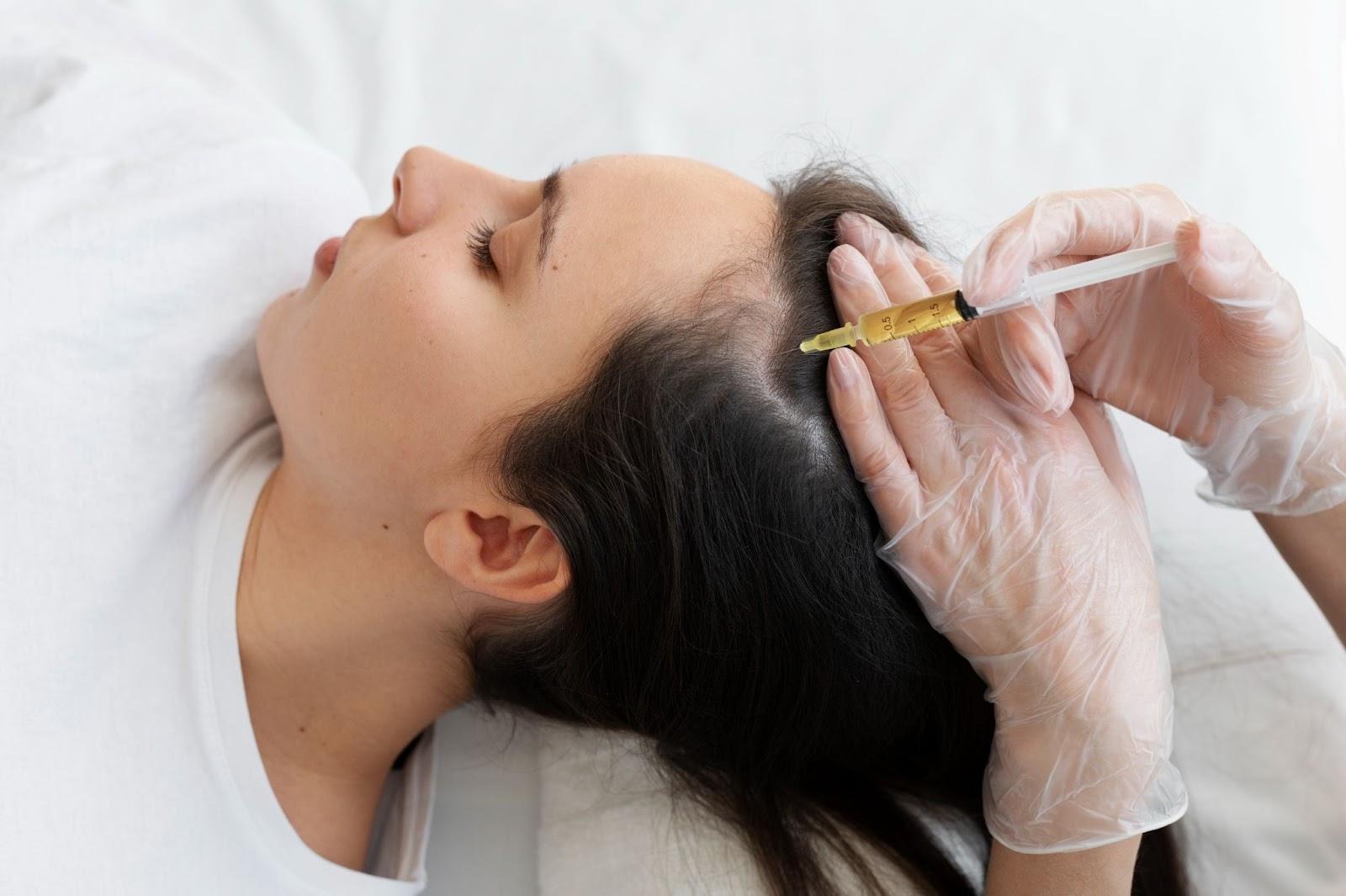
Platelet-rich Plasma (PRP) therapy is one of the most groundbreaking therapies for the restoration of hair. PRP Hair Loss therapy is based on concepts similar to that of Regenerative Medicine (RM) and has an interesting new method of rejuvenation of the hair.
Platelet-rich plasma therapy is straightforward and uncomplicated, but it also reflects new discoveries made in the field of cellular biology and applies them to the treatment of the scalp. The patient (you) has blood taken and placed into a specialized machine called a centrifuge. After being spun around at very high speeds, it separates out the plasma from the blood and allows for it to be taken out as a liquid.
The liquid part of the blood contains very high levels of something called “platelets” (the part that rebuilds damaged tissue). These “platelets” have a variety of important growth factors (also called proteins) that promote healing and help to rebuild damaged tissue, including the growth of hair on your head. When applied directly to the scalp, the platelets deliver these “growth factors” to the hair follicles and promote hair growth, by extending the period of hair growth, as well as reducing or stopping the miniaturization of the follicles.
A unique aspect of this therapy is that the treatment is made up of only the biological materials found in your own body, so there is no concern for either allergies or rejection of the treatment. Typically, a minimum of three treatments is required, with the second and third treatments usually spaced out about four to six weeks between each session.
Results will vary depending on the person, but most women experience a decrease in the amount of hair falling out during the first several months after the initial treatment. The increases in the thickness and density of the hair usually take a little longer to occur. The best results from PRP therapy will be seen in people who have early to moderate hair loss, as the therapy does not create new follicle growth, but rather stimulates the present follicles to grow thicker and denser hair.
Usually lasting less than one hour and requiring little recovery time. Some women may experience mild discomfort and/or redness at the site of injection for a day or two after the treatment, but this is generally short-lived. Due to the emerging science surrounding PRP, it is rare for insurance companies to cover PRP, with costs ranging from hundreds to thousands of dollars per session.
Ongoing research is focused on how PRP should be applied (protocols) when used with medications such as minoxidil, and what baseline characteristics will lead to the best response to this treatment. While there isn’t a miracle cure for hair loss, PRP offers women an opportunity for a natural and less invasive method to regain their hair.
Taking Action: Your Path Forward
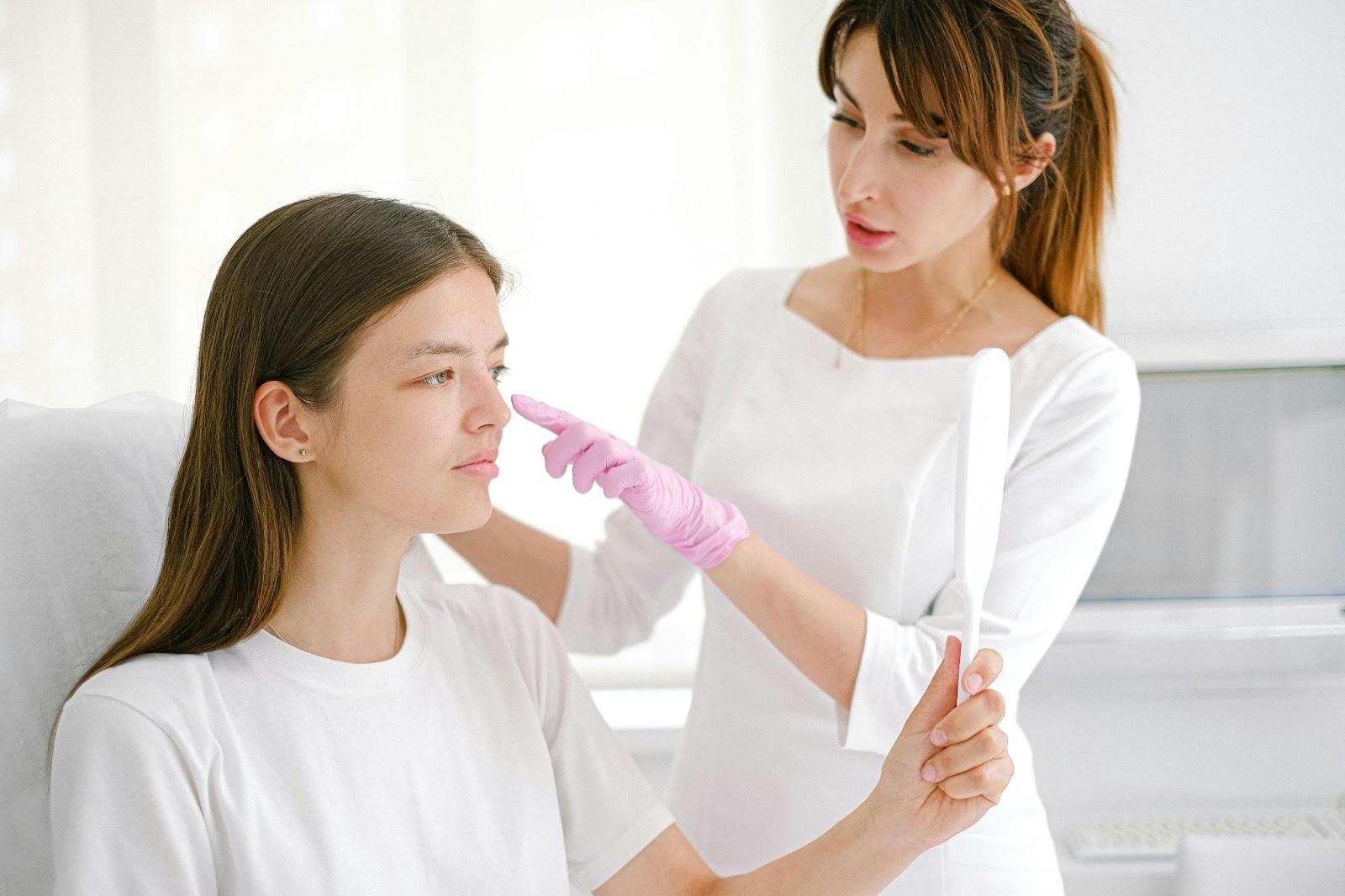
If you are noticing signs that your hair is thinning, then the earlier you intervene the better. The best place to start is by consulting with a qualified dermatologist who specializes in hair loss. A trained dermatologist can conduct an examination of your overall health and of your hair. This will include checking the health of your scalp, going over your medical history and possibly doing blood tests to determine if there are any underlying medical conditions that could be causing your hair loss.
To assist your doctor in identifying patterns and triggers of your hair loss, it is recommended that you keep a hair diary. This diary should contain written notes and photographs which document the various stages of changes to your hair loss. You should also provide your doctor with honest feedback about your level of stress, your eating habits, and any medications that you may have or are currently using.
You should be aware that hair restoration will take some time. Most hair restoration treatments require you wait several months after beginning treatment until you begin to notice the results from that treatment. Therefore, what works perfectly for some individuals may not work well for others, and your hair restoration solution may require you to go through a few trial-and-error processes to find the one that works best for you.
Conclusion:
The process of experiencing hair loss can be daunting and can lead to feelings of loneliness. This is not the case. You are not alone. Approximately 50% of women will experience some form of hair loss during their lifetime, but because of the stigma surrounding this topic, it often feels as though you are battling this issue all alone.
The good news is that awareness of hair loss and early intervention has never been greater. Many of the indicators of hair loss can be seen at an early stage: more hair in the shower after washing your hair, widening parts in your hair, a thinner ponytail. Understanding the warning signs of hair loss will allow you to act on it before it gets worse.
Today, there is an incredible range of effective treatments for women’s hair loss. Women can no longer be relegated to old-fashioned treatment methods or accept their hair loss as a fact of life. Modern-day, science-based topical treatments for hair loss such as minoxidil and hormonal treatments for hair loss eliminate the root causes of your hair loss, PRP (platelet-rich plasma) therapy is one of the newest treatment options available for women, and there are also nutritional supplements that may help.
Every woman’s experience with hair loss is unique, so it may take time, trial and error, and professional guidance to find the solution to your hair loss. The solutions do exist. Both the emotional and physical aspects of hair loss deserve consideration. Your feelings regarding hair loss are completely valid. There is more to hair than simply a collection of dead protein; it is an integral part of who we are and how we present ourselves.
Society equates hair with women, health, youth, and individual style. As hair begins to recede, feelings of loss, anxiety, and a decline in confidence can be overwhelming. Be patient with yourself regarding how this experience feels, and do not pass judgment on yourself for having these feelings.
Seek out relationships with friends who understand what you are experiencing; work with a counselor who is experienced in this area, or find support within an online group of women who are experiencing similar things. Healing is a multi-dimensional process, and addressing the emotional/psychological aspects is a key component to maintaining overall health.
Understand that restoring your hair is a long-term process and not a quick fix. Most hair restoration treatment options will take time before you notice visible changes (usually several months). Therefore, it is necessary to be patient and have realistic expectations regarding progress; however, don’t let this be discouraging. Small victories build into big changes over time. Changes such as your hair appearing thicker at the part line, daily shedding decreasing, and fine thin new hair along the hairline are all examples of small victories that should be recognized and appreciated!
Thank you,
Glenda, Charlie and David Cates
Let us know if you enjoyed this post!

Like

Love

Happy

Haha

Sad