
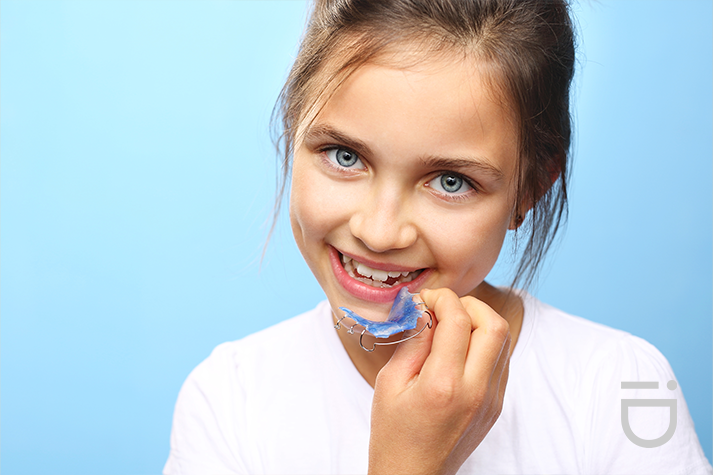
Early orthodontic care plays an important role in ensuring that children develop healthy, well-aligned smiles as they grow. Many parents today are becoming more aware of the benefits of addressing dental alignment issues at an early stage rather than waiting until adolescence. With advancements in Dentistry, orthodontic treatments such as early braces are designed to guide the proper growth of teeth and jaw structures while children are still developing. By identifying and correcting potential alignment issues early, dental professionals can help prevent more complex problems in the future and support better oral health for children.
What Are Early Braces for Children?
Early braces, often referred to as interceptive orthodontic treatment, are braces or orthodontic appliances used to correct dental alignment issues in younger children. These treatments are typically recommended between the ages of 7 and 10, when the jaw is still growing and the permanent teeth are beginning to emerge.
At this stage, orthodontic treatment focuses on guiding the proper development of the jaw and creating enough space for permanent teeth to grow in the correct position. Visiting a trusted Dental Clinic allows specialists to evaluate a child’s oral development and determine whether early orthodontic care may be beneficial.
Early braces do not always mean that a child will wear braces for a long period. In many cases, early treatment is used to correct specific issues and prepare the mouth for healthy growth, reducing the need for extensive treatment later.
Why Early Orthodontic Treatment Is Important
Children’s teeth and jaws are constantly developing, which makes early childhood an ideal time to address orthodontic concerns. When dental problems are detected at a young age, orthodontists can guide the growth of the jaw and teeth more effectively.
Early treatment helps correct problems such as crowded teeth, gaps, crossbites, or overbites before they become more severe. If these issues are left untreated, they may lead to difficulties with chewing, speech, or maintaining proper oral hygiene.
By addressing alignment concerns early, orthodontic treatment can help create a balanced bite and a healthy foundation for permanent teeth. This proactive approach often leads to better long-term dental health and improved confidence as children grow.
Signs That a Child May Need Early Braces
Parents may notice certain signs that suggest a child could benefit from early orthodontic evaluation. While not all children require braces at a young age, some dental patterns may indicate the need for early intervention.
Children who experience difficulty biting or chewing food may have alignment issues affecting their bite. Teeth that appear crowded, overlapping, or spaced too far apart may also signal developing orthodontic concerns.
Another sign is when the upper and lower teeth do not align properly when the child closes their mouth. Habits such as thumb sucking or prolonged pacifier use may also affect the development of the jaw and teeth alignment.
Regular dental check-ups allow professionals to monitor these changes and recommend early treatment if needed.
How Early Braces Work
Early braces work by gently guiding the movement of teeth and the development of the jaw over time. Because children’s bones are still growing, orthodontic adjustments can often be made more easily compared to treatment later in life.
Braces apply light, consistent pressure to gradually shift teeth into their proper positions. In some cases, orthodontists may also use special appliances designed to widen the jaw or correct bite alignment.
These treatments are carefully customized to meet the specific needs of each child. Regular check-ups allow the orthodontist to monitor progress and make adjustments as necessary.
The goal of early treatment is not only to straighten teeth but also to support proper facial development and ensure the jaw grows in harmony with the rest of the facial structure.
Benefits of Early Braces for Children
Early orthodontic treatment offers several long-term benefits for children’s oral health. One of the most significant advantages is the ability to guide jaw growth while the bones are still developing. This can prevent more complicated dental issues in the future.
Early braces can also create enough space for permanent teeth to grow properly, reducing the risk of severe crowding. When teeth are properly aligned, it becomes easier for children to maintain good oral hygiene through brushing and flossing.
Another important benefit is the improvement in bite alignment. Correcting bite issues early can help prevent problems related to chewing, speech, and jaw strain.
In addition to health benefits, early braces can positively impact a child’s confidence by helping them develop a balanced and attractive smile.
The Treatment Process
The process of early orthodontic treatment begins with a comprehensive dental evaluation. During this visit, the dentist or orthodontist examines the child’s teeth, jaw alignment, and facial growth patterns.
Advanced imaging techniques such as digital X-rays may be used to assess the position of developing teeth beneath the gums. Based on this evaluation, the orthodontist may recommend braces or other orthodontic appliances if necessary.
Once treatment begins, regular follow-up visits are scheduled to adjust the braces and monitor progress. These appointments help ensure that the teeth are moving gradually and safely into their correct positions.
The duration of treatment varies depending on the child’s dental condition and the goals of the orthodontic plan.
Supporting Children During Orthodontic Treatment
Parents play an important role in helping children adjust to orthodontic treatment. Encouraging good oral hygiene habits is essential, especially when braces are involved.
Children should be guided to brush and floss regularly to prevent plaque buildup around brackets and wires. Dentists may also recommend avoiding very hard or sticky foods that could damage orthodontic appliances.
Providing reassurance and support can help children feel comfortable and confident during their treatment journey. Over time, they will begin to see positive changes in their smile, which can be a motivating experience.
Long-Term Impact of Early Orthodontic Care
Early orthodontic care can have a lasting impact on a child’s dental health and overall well-being. By addressing alignment and jaw development issues at a young age, orthodontists can help create a stable foundation for future dental growth.
Children who receive early treatment often require shorter or less complex orthodontic care later in their teenage years. Properly aligned teeth also contribute to better oral hygiene and reduce the risk of dental problems in adulthood.
Most importantly, early braces help children develop healthy smiles that support both their physical health and self-confidence.
Conclusion
Early braces for children represent an important step toward achieving healthy dental development and well-aligned smiles. By identifying orthodontic concerns during childhood, dental professionals can guide the growth of teeth and jaw structures more effectively.
With modern orthodontic techniques and careful monitoring, early treatment can prevent more complicated dental issues in the future. When supported by regular dental care and good oral hygiene habits, early braces help children enjoy long-lasting oral health and the confidence that comes with a beautiful smile.
Thank you,
Glenda, Charlie and David Cates
Let us know if you enjoyed this post!

Like

Love

Happy

Haha

Sad