

Europe is the same story every summer: vacationers wait for hours at the Eiffel Tower, fight through people in Barcelona’s Gothic Quarter, and Instagram the exact angles of the Trevi Fountain in Rome that others have taken millions of times before. In the meantime, some of the most enchanting destinations in Europe are missed due to a lack of notice in deserted valleys, on breathtaking coastlines, and standing in medieval squares, allowing only a few travelers who are willing to abandon the streets filled with souvenir shops to find them.
Europe’s hidden gems are not second-class versions of famous plazas, however; they are generally more authentic, less expensive, and far more memorable. These are places where you’ll actually hear other travelers speaking the local language at cafés, where restaurant menus aren’t translated into fifteen languages, and where your photos will capture something your friends have never seen, rather than something they have scrolled past a thousand times.
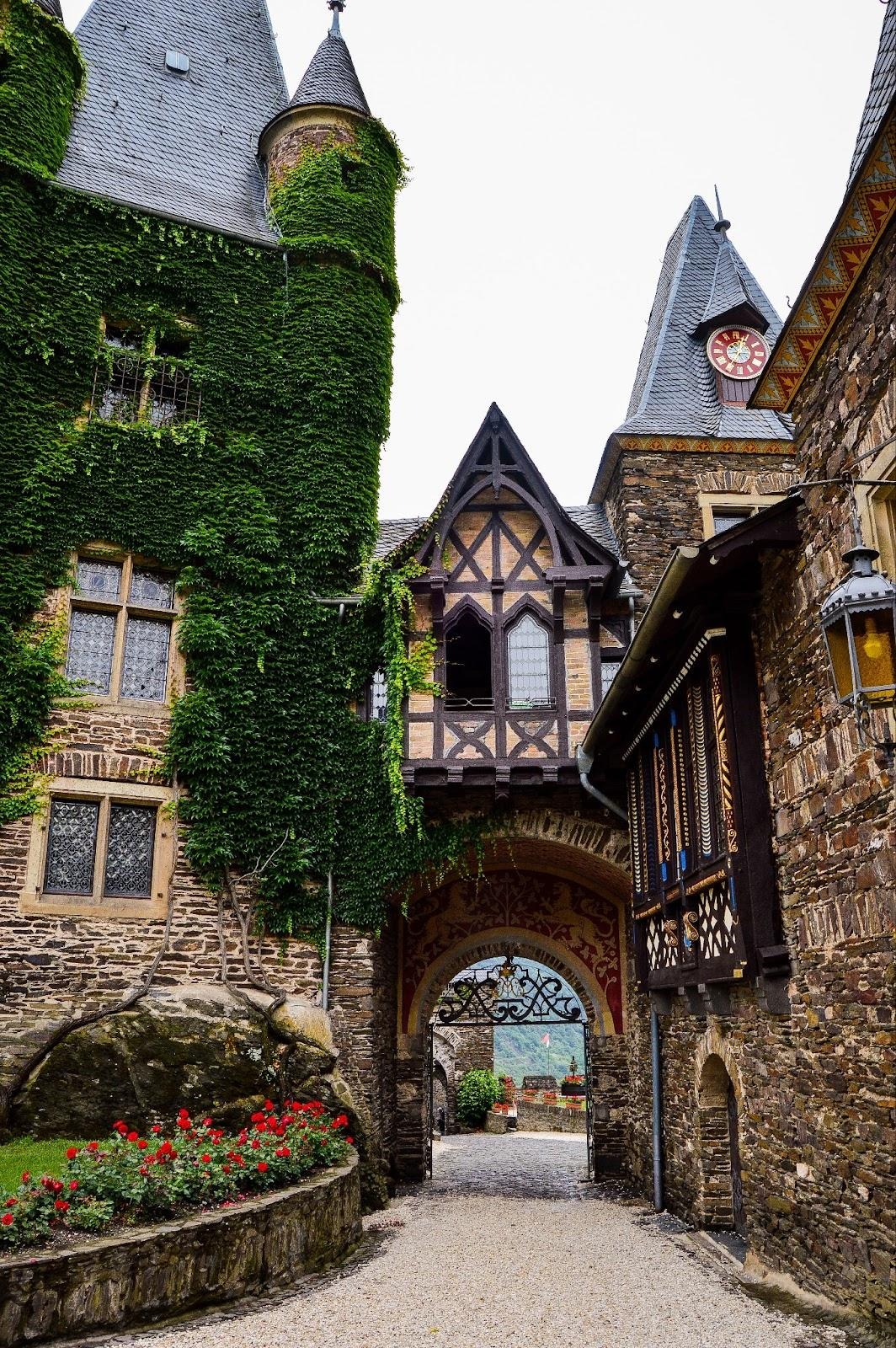
- Colmar, France: Fairytale Without the Crowds
While throngs of visitors scour Paris and Nice, this Alsatian town in northeastern France appears to exist in a different century altogether. The half-timbered homes of Colmar perch precariously over cobbled roads, their colorful facades reflecting in narrow canals that rallied the old town for the nickname “Little Venice”. There are architectural delights here in a beautiful jumble of French and German influences that owe much of its vitality to the region’s complicated past of being in and out of borders.
What makes Colmar truly unique is not only the storybook setting of the town compared to other destinations, but the fact that it originated as a vibrant and operational town. Residents still shop at the covered market, students bike to class past 16th-century homes, and vineyard workers stand in line for coffee before returning to the countryside for a day of grape picking in the Alsace wine country. Come during December, and you’ll see why people say Colmar is home to the most beautiful Christmas market in Europe, and far less crowded than congregations right across the border in Germany.
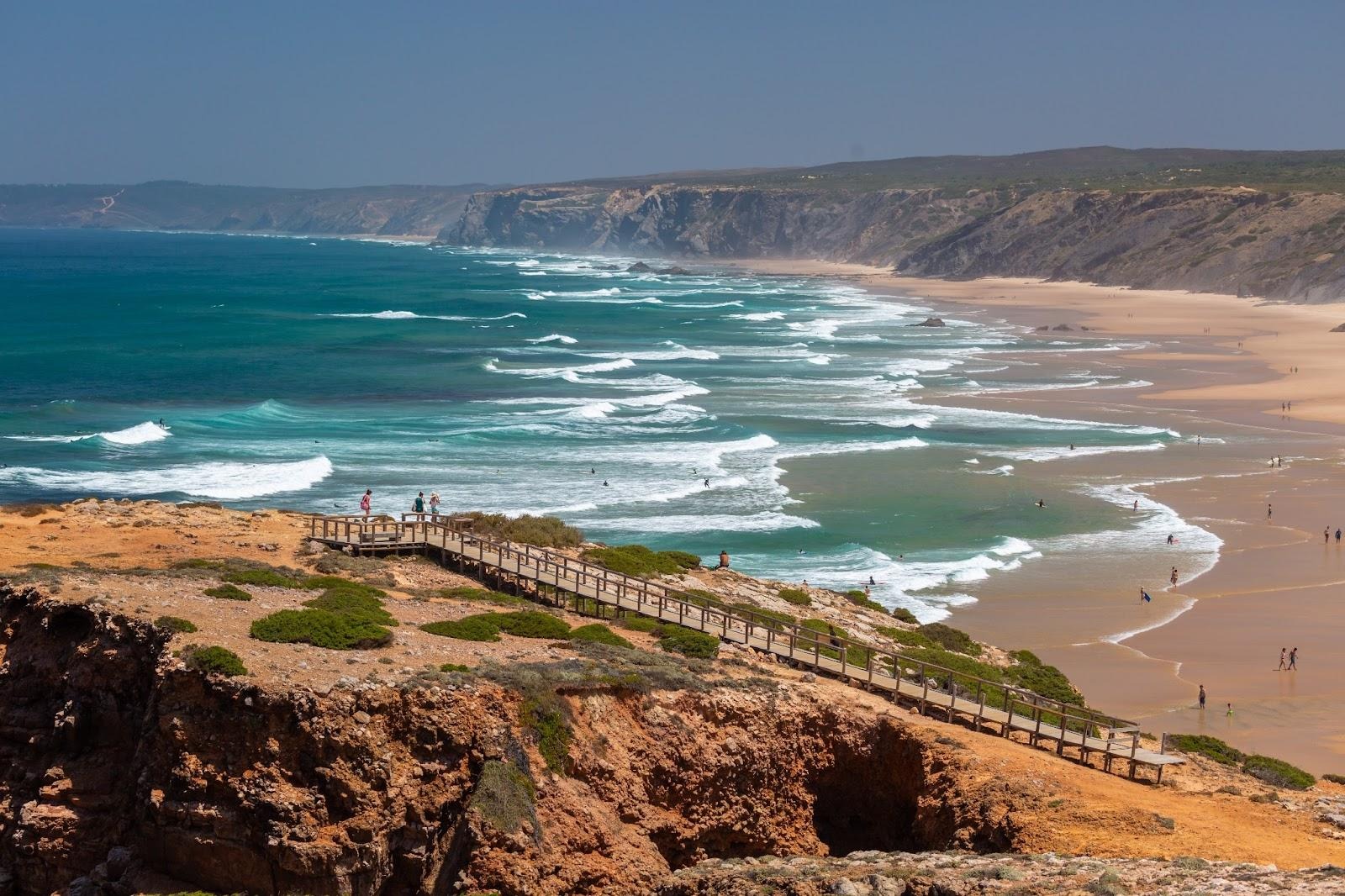
- Comporta, Portugal: Europe’s Secret Beach Paradise
Everyone knows the Algarve, but Portugal’s insiders have been keeping Comporta under the radar. Just an hour south of Lisbon, this stretch of unspoiled coastline offers an increasingly rare sight in Europe: beaches with no development as far as the eye can see, backed by rice paddies and pine forests instead of concrete hotels.
Comporta’s charm comes from its impressive ability to stay below the radar of mass tourism. The kilometers of coastline; Praia do Pego, Praia da Comporta, are known for their fine white sand and miles of no development. The village itself feels bohemian-rustic, where weathered fishing shacks sit beside trendy-but-lowkey beach clubs. Comporta has become a covert favorite among European creatives and those who like their beach towns devoid of tourism: no neon signs, no chain restaurants, no tour buses.
The area offers cork forests to wander through, traditional Portuguese food, mostly seafood and rice, and an ambiance reminiscent of coastal Mediterranean Europe from about 40+ years ago.
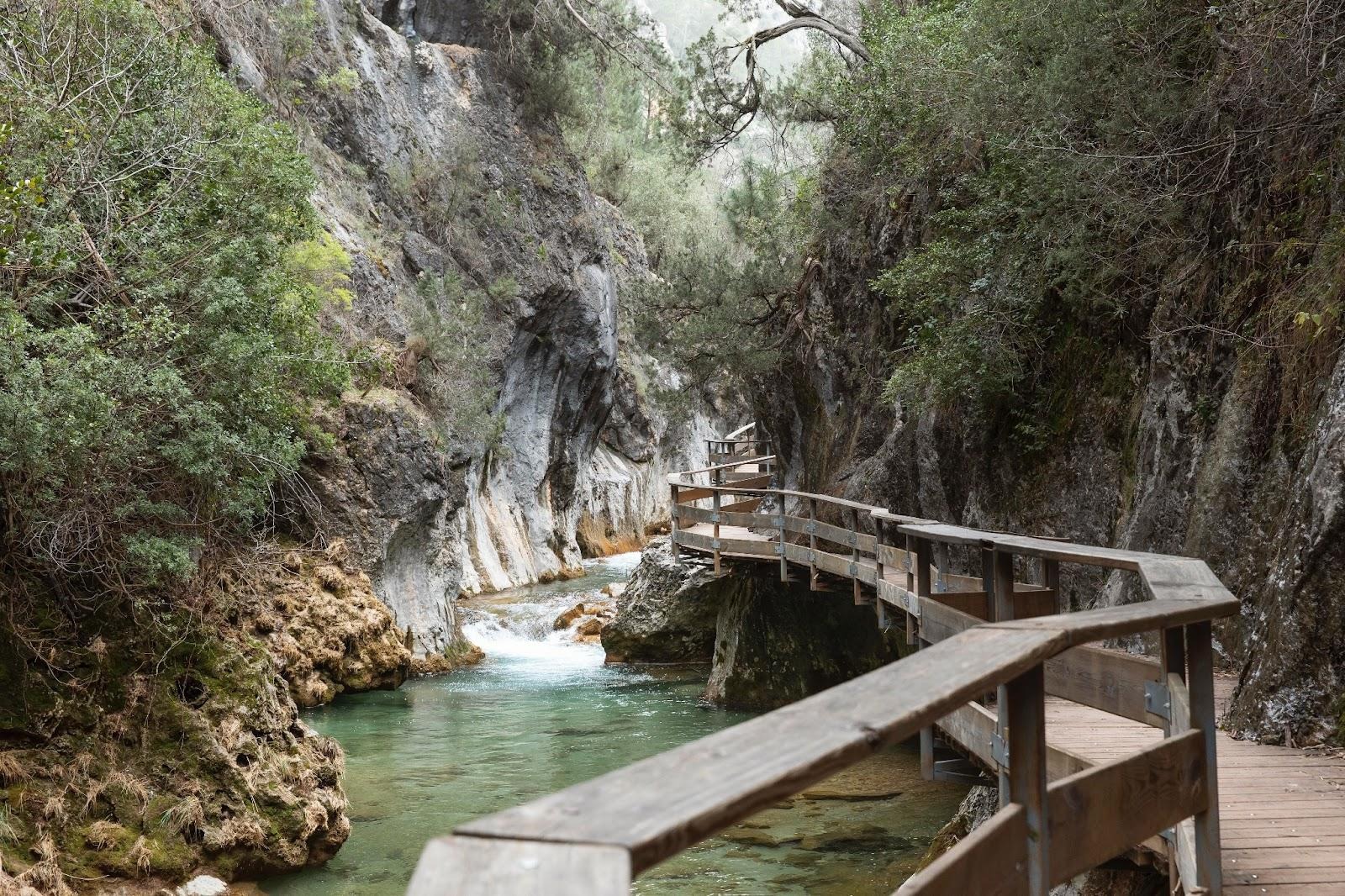
- Plitvice Lakes, Croatia: Nature’s Watercolor Painting
Yes, since the TV series “Game of Thrones,” Croatia has grown in popularity; however, most tourists will not make it to the interior destination of Plitvice Lakes National Park which is ironically a UNESCO World Heritage site. Plitvice is a group of sixteen terraced lakes that are connected by waterfalls and exist in some of the most intoxicated hues of turquoise, emerald, and sapphire that change hue with the light and the minerals present in the water.
Walking the wooden paths that weave throughout the park makes one feel like they have been transported to a whimsical land. One cannot escape the water in the park as it flows everywhere in the form of small trickling streams and thunderous cascades and the surrounding forest landscape seems so untouched it is inhabited by bears, wolves, and birds that exist nowhere else.
Unlike the coastal cities in Croatia laden with tourists, Plitvice is full of solitude and natural beauty, unlike any experience available to travelers. If you are to schedule your trip in the autumn months, you will practically have the park to yourselves and in addition, the beech and fir trees that surround the lakes will explode with golds and ambers that frame the waters in ways received in no less than inspiration from postcards of any number of other European destinations, including the famous Alpes.
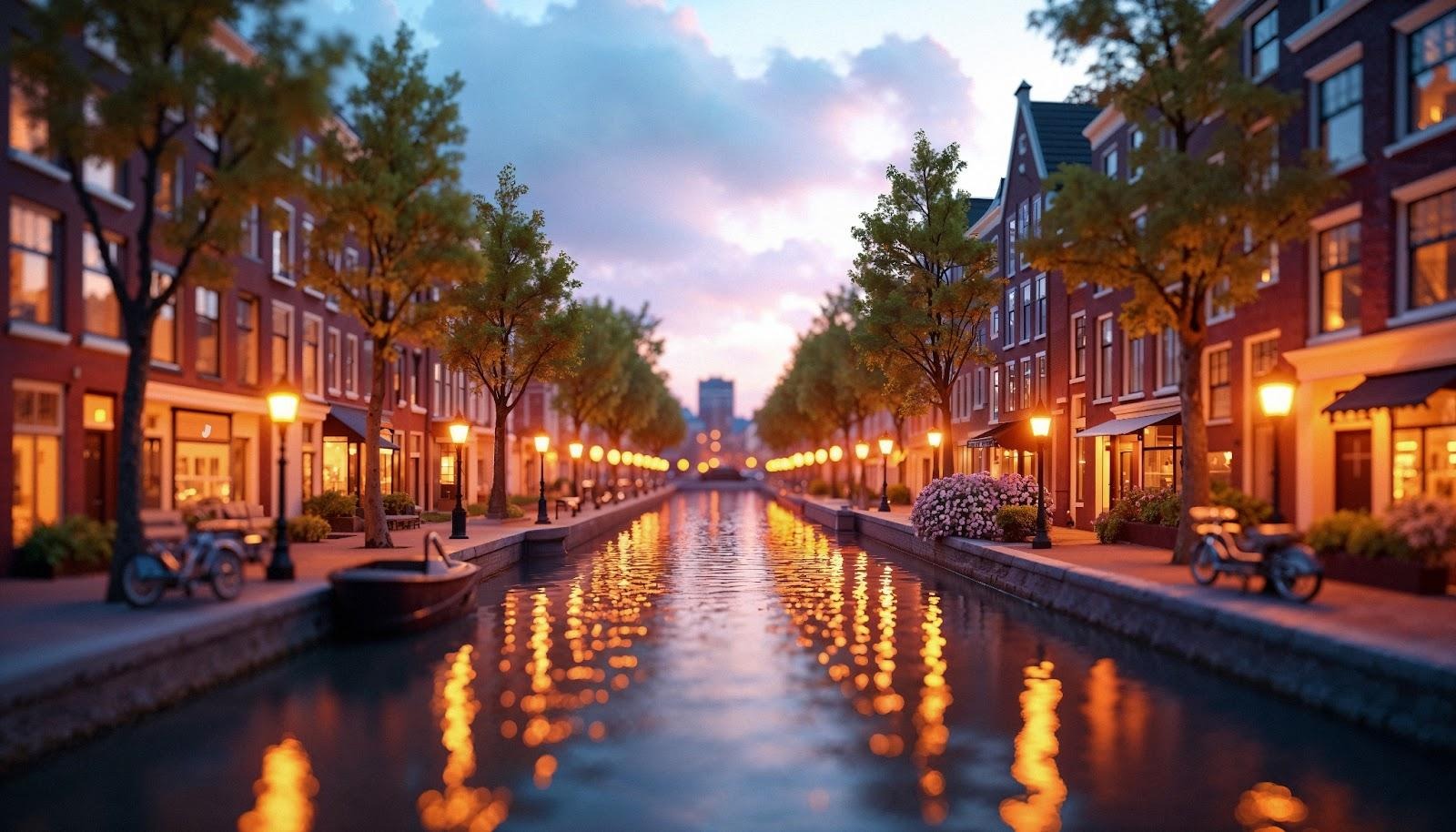
- Bruges’ Quieter Cousin: Ghent, Belgium
While Bruges has become overrun with tourists, Ghent, just thirty minutes away, has everything that makes Belgian medieval cities great, just without the crowds. Ghent has a level of authenticity that Bruges has lost due to its crowds. It is a university town, so it is always filled with students at the bars, locals actually live in the historic center, and you can all appreciate the stunning architecture without being swept up in a tour group.
The medieval center of Ghent rivals nearly anywhere in Europe for beauty, with the Castle of Counts peaking above the city center as if from a dark fairytale, while the skyline of guild houses and church steeples creates simply one of Europe’s prettiest night views when lights up. Ghent has a younger, edgier feel than its more tourist-driven counterparts, with public art, contemporary places to eat, and that creative energy given from being a real, living city rather than an open-air museum.
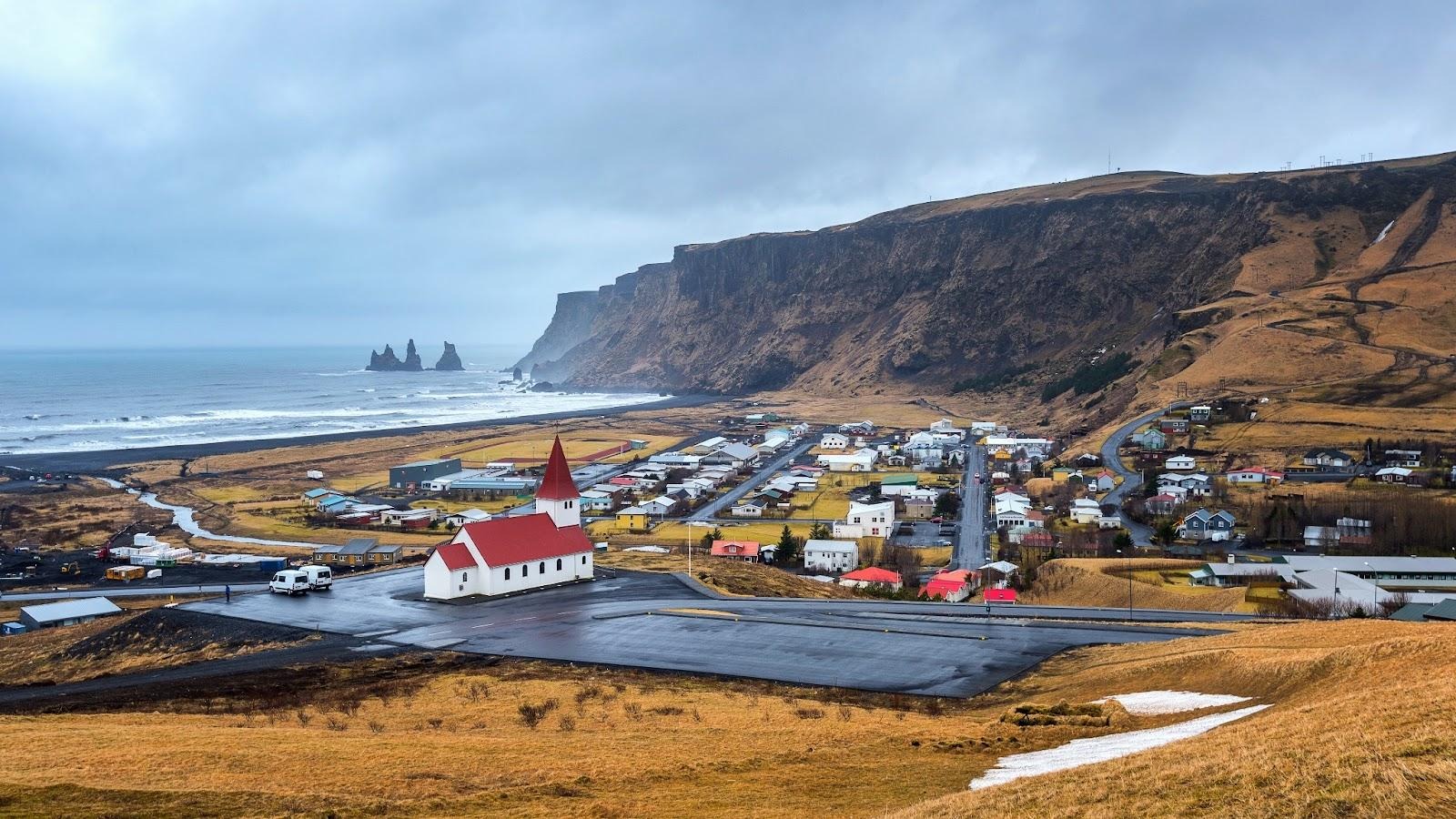
- The Faroe Islands: Europe’s Final Frontier
While technically part of Denmark, the Faroe Islands are culturally a world away and offer raw European adventure at its most dramatic. The eighteen volcanic islands emerge from the North Atlantic, between Iceland and Norway, with their jagged cliffs rising from the sea mist like ancient mythological scenes.
For travelers who have returned to every country in Europe and are seeking the wild, this is Europe for you! Villages with turf-roofed houses cling to improbably steep hillsides; waterfalls drop straight into the ocean; sheep vastly outnumber people; and the weather can change from bright sunshine to sideways rain in mere moments! It is rugged, remote, and unforgettable – the diametric opposite of the cultivated travel experiences found elsewhere in Europe.
Conclusion: The Sweet Reward of Exploring
Slightly more work is needed to get to Europe’s hidden gems, a regional train instead of a nonstop flight, maybe a rental car on winding roads, a willingness to interact even with language barriers. But that is what makes them so special. Those places reward curiosity by providing authentic things, swapping comfort for character, selfie stops for true delight.
People who never go beyond the greater hits in Europe are not wrong, they are famous for a reason. But they are missing out on something extraordinarily precious: the treasure of discovery, the pleasure in finding beauty that was not packaged or marketed, the kind of travel stories that do not end with “but it was so crowded.”
So, the next time you are thinking about a European trip, consider skipping that queue for the Colosseum. Somewhere in Europe there is a perfect medieval square welcoming the afternoon light, an empty beach that stretches for miles into the horizon, or a waterfall crashing over the rocks in a forest where you are the only one standing in awe. These are the moments, un-planned, un-influenced, and entirely yours, that make an experience go from a vacation to the kind of experience that you will forever keep alive in your memories.
Thank you,
Glenda Charlie and David Cates
Let us know if you enjoyed this post!

Like

Love

Happy

Haha

Sad