
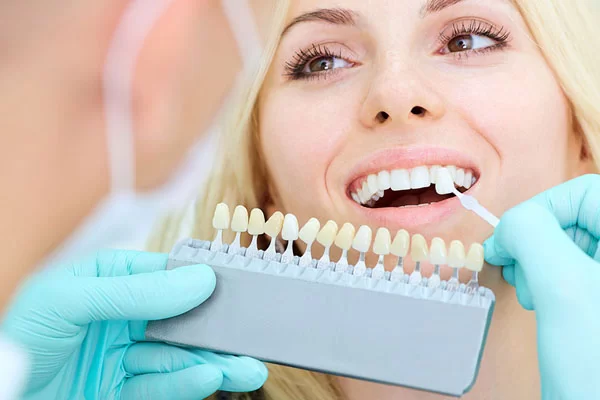
Dental crown and bridge treatment is a widely used solution in modern dentistry to restore damaged or missing teeth. These restorative procedures are designed to improve both the function and appearance of the teeth, allowing patients to smile, speak, and chew with confidence. When teeth become weakened due to decay, injury, or wear, a professional Orthodontist or dental specialist may recommend crowns or bridges as part of a comprehensive treatment plan to protect the teeth and restore proper alignment.
Today, advancements in dental technology have made crown and bridge treatments more precise, comfortable, and durable than ever before. Modern dental practices use advanced diagnostic tools and high-quality materials to create customized restorations that closely match the natural shape, size, and color of a patient’s teeth. These improvements not only restore the strength and function of damaged or missing teeth but also enhance the overall appearance of the smile, helping patients regain confidence in their oral health.
Understanding Dental Crowns
A dental crown is a tooth-shaped cap placed over a damaged or weakened tooth to restore its strength, shape, and overall function. It covers the entire visible portion of the tooth above the gum line, protecting from further damage while also improving its appearance. Dental crowns are designed to reinforce the structure of the tooth so it can function normally during chewing and speaking.
Crowns are often recommended when a tooth has been severely affected by decay, contains a large filling, or has undergone a root canal treatment. They are also used to repair broken or worn-down teeth and to enhance the appearance of teeth that are discolored or irregularly shaped. At advanced dental facilities such as Advanced Dentistry and Implant Centre, dental professionals carefully assess each patient’s condition to determine the most suitable restorative solution.
What Is a Dental Bridge?
A dental bridge is a restorative dental solution used to replace one or more missing teeth. The bridge works by anchoring an artificial tooth, known as a pontic, between two natural teeth or dental crowns. These supporting teeth act as anchors that hold the bridge securely in place.
Dental bridges help fill the gap created by missing teeth, restoring both the appearance and function of the smile. When a tooth is lost, nearby teeth may gradually shift into the space, leading to alignment issues and bite problems. A dental bridge helps maintain proper spacing and prevents surrounding teeth from moving out of position.
Bridges are carefully designed to match the natural teeth in color and shape, allowing them to blend smoothly with the rest of the smile.
When Are Dental Crowns and Bridges Needed?
Dental crowns and bridges are recommended in various situations where the strength, function, or appearance of teeth needs to be restored. Crowns are often used to protect teeth that are weakened by decay, fractures, or large fillings.
They may also be used after root canal treatment to provide additional support to the treated tooth. In cosmetic dentistry, crowns can improve the appearance of teeth that are severely discolored or uneven.
Dental bridges, on the other hand, are ideal for replacing missing teeth when dental implants are not the preferred option. They help restore the ability to chew and speak properly while also improving facial structure by preventing bone and tissue changes caused by tooth loss.
The Dental Crown Procedure
The process of placing a dental crown usually takes two visits to the dental clinic. During the first appointment, the dentist carefully examines and prepares the affected tooth. Any damaged or decayed portion of the tooth is removed to create space for the crown.
After shaping the tooth, an impression is taken to ensure the crown fits perfectly. This impression is sent to a dental laboratory where the custom crown is created. In the meantime, a temporary crown may be placed to protect the tooth.
During the second visit, the permanent crown is fitted and securely bonded to the prepared tooth. The dentist checks the bite and alignment to ensure the crown feels comfortable and functions naturally.
The Dental Bridge Procedure
The procedure for placing a dental bridge is similar to that of a crown. The dentist begins by preparing the teeth on either side of the missing tooth. These supporting teeth are reshaped so that crowns can be placed over them to hold the bridge.
Once the teeth are prepared, impressions are taken to create a custom bridge that fits precisely in the gap. The dental laboratory designs the bridge to match the patient’s natural teeth in color and shape.
After the bridge is ready, it is securely attached to the prepared teeth using dental cement. The dentist then checks the alignment to ensure the bridge functions properly and feels comfortable.
Benefits of Dental Crowns and Bridges
Dental crowns and bridges provide several benefits that support both oral health and overall well-being. One of the most important advantages is the restoration of chewing ability. When teeth are damaged or missing, eating certain foods may become difficult, but crowns and bridges help restore normal chewing function.
Another key benefit is improved appearance. These restorations are designed to look natural and blend seamlessly with surrounding teeth, helping patients regain confidence in their smile.
Crowns also strengthen weakened teeth, preventing further damage or fractures. Bridges help maintain the proper alignment of teeth by filling gaps and preventing neighboring teeth from shifting out of place.
Additionally, these treatments support overall oral health by preserving the natural structure of the mouth and promoting balanced bite alignment.
Caring for Dental Crowns and Bridges
Maintaining dental crowns and bridges is similar to caring for natural teeth. Good oral hygiene habits are essential for ensuring the long-term success of these restorations. Brushing twice a day and flossing regularly help remove plaque and prevent gum disease.
Regular dental check-ups are also important so the dentist can monitor the condition of the crowns or bridges and ensure they remain properly fitted. Avoiding very hard foods can help protect the restoration from unnecessary stress.
With proper care and regular dental visits, crowns and bridges can last for many years while continuing to provide strong support and natural appearance.
Long-Term Impact on Oral Health
Dental crowns and bridges play an important role in preserving oral health and restoring the natural balance of the mouth. By protecting weakened teeth and replacing missing ones, these treatments help maintain proper bite alignment and prevent additional dental problems.
Patients who receive these restorations often experience improved comfort when eating and speaking, as well as enhanced confidence in their smiles. These treatments are designed to function like natural teeth, allowing individuals to continue their daily activities without discomfort.
Conclusion
Dental crown and bridge treatment is an effective and reliable way to restore damaged or missing teeth while improving both function and appearance. With modern dental materials and advanced techniques, these restorations provide durable and natural-looking results.
By strengthening weakened teeth and replacing missing ones, crowns and bridges help protect oral health and maintain a balanced, confident smile. With proper care and professional guidance, patients can enjoy long-lasting benefits and improved quality of life through these advanced restorative dental treatments.
Thank you,
Glenda, Charlie and David Cates
Let us know if you enjoyed this post!

Like

Love

Happy

Haha

Sad