Inside this post is my affiliate links. If you click on the links and make a purchase I will make a small percentage from the products you purchase.
As a child riding in my dad’s car more times than not we had to listen to Classical Music even though he loved Country Music. Which drove my sister, my brother and I up the wall. But not Suzzane she loved to listen to classical music. Charlie also listens to classical music at times as we would use it in our homeschool music class.
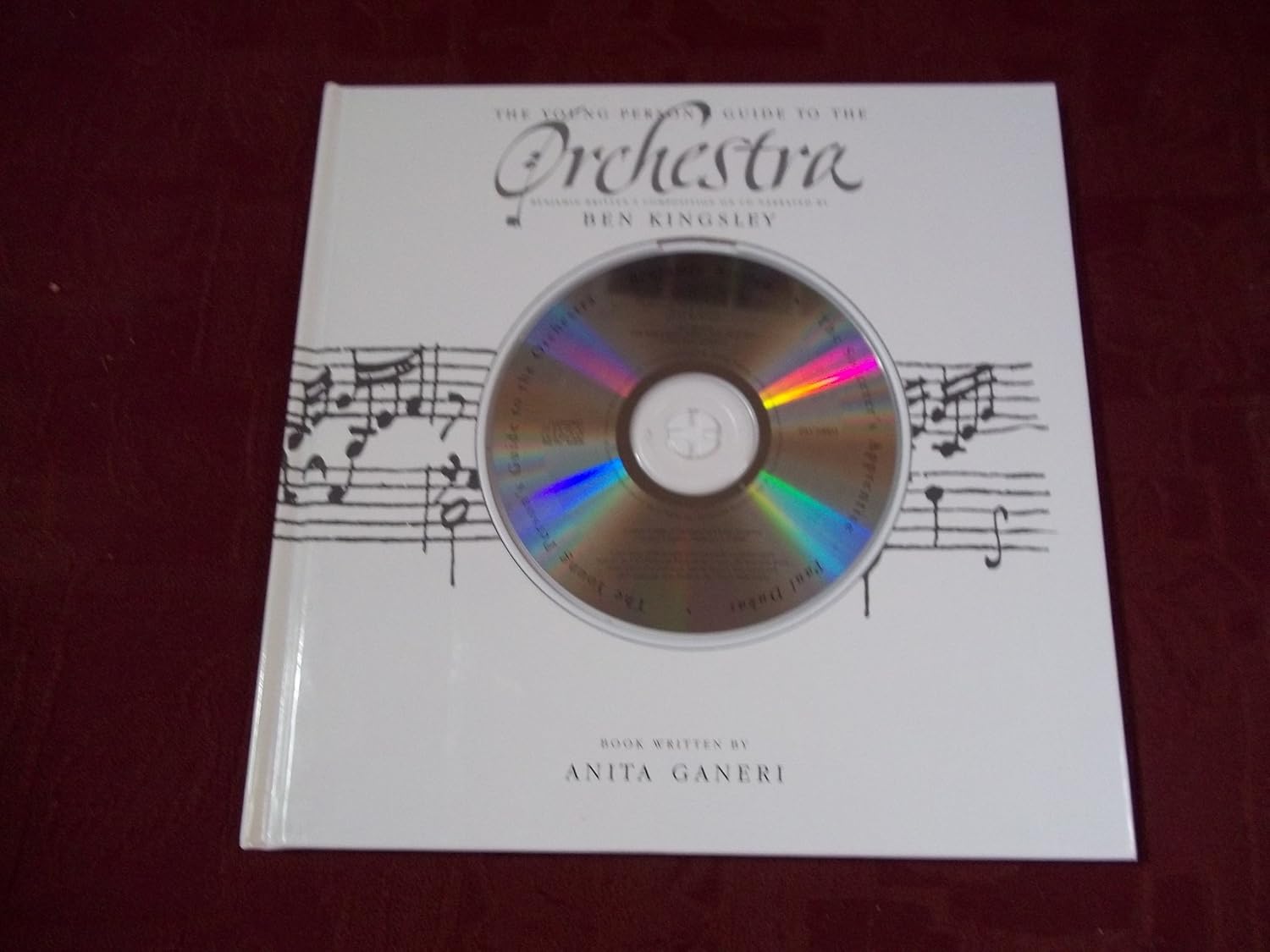
For children learning to appreciate classical music doesn’t have to feel complicated or overwhelming. For many families, especially those in homeschool settings, the goal is to find resources that make music understandable while still keeping it enjoyable. One of the most effective introductions to orchestral music is The Young Person’s Guide to the Orchestra, a guided listening experience designed to help children understand how an orchestra works.
This resource combines listening and reading in a way that helps children connect sound with meaning. A beginning guide to orchestral music invites readers to listen to each individual instrument on the CD and then turn to the pages in an introductory text to discover more about the orchestra and its sections. This approach helps break down what can otherwise feel like a large and complex subject into something more manageable and engaging for young learners.
The book is credited to Anita Ganeri, Benjamin Britten, and Ben Kingsley, and it brings together narration, music appreciation, and visual learning in a single format. Rather than simply telling children about music, it allows them to hear it, recognize it, and begin to understand it step by step.
For many children, an orchestra can seem confusing at first. There are many instruments playing together, and it is not always easy to tell what each one contributes. This is where The Young Person’s Guide to the Orchestra becomes especially helpful.
It separates the orchestra into clear sections, allowing children to hear strings, woodwinds, brass, and percussion individually before experiencing how they blend together. This step-by-step listening process helps children recognize patterns in music and understand that each instrument has its own voice and purpose.
As children listen more closely, they begin to notice details they might have missed before. The brightness of a flute, the depth of a cello, the sharp sound of brass, or the steady rhythm of percussion all become easier to identify. Over time, this kind of guided listening builds confidence and curiosity, especially for children who are new to music appreciation.
This type of resource works particularly well for homeschool families because it does not require a formal music background. Parents and children can explore it together, learning at the same pace. It can be used in short sessions or longer lessons depending on the child’s attention span, making it flexible for different learning styles and schedules.
Because it combines both audio and visual learning, it also supports multiple types of learners. Children who learn best through listening benefit from the CD component, while those who learn visually gain understanding from the text and explanations. This combination helps reinforce learning in a natural way without pressure or testing.
The book and CD format also makes it easy to revisit sections as often as needed which I like a lot. Some families may focus on one instrument group at a time, while others may enjoy listening through the entire orchestral guide in one sitting. Either approach allows children to build familiarity with classical music at their own pace.
For families looking to bring classical music into the home in a simple and approachable way, this resource is especially useful. It encourages active listening rather than passive hearing. Instead of music being something in the background, it becomes something children engage with directly.
Many families also choose to pair this learning experience with physical copies available through retailers such as Amazon, where the book and CD editions can be found. Having a tangible resource makes it easier to return to lessons and continue building understanding over time.
What makes The Young Person’s Guide to the Orchestra so effective is not just the information it provides, but the way it introduces music. There is no pressure to memorize terminology or complete assignments. Instead, children are encouraged to listen carefully, notice differences, and develop understanding naturally.
This gentle introduction to orchestral music helps build a foundation that can last for years. Children who begin with guided listening often develop a stronger interest in instruments, performances, and music as they grow. What once sounded complex gradually becomes familiar, and even enjoyable.
For families seeking a simple and meaningful way to introduce classical music, The Young Person’s Guide to the Orchestra offers a calm and accessible starting point that makes learning feel natural rather than forced. I wish my dad had this book when I was a child and I might enjoy classical music more.
Thank you,
Glenda, Charlie and David Cates
Let us know if you enjoyed this post!

Like

Love

Happy

Haha

Sad