
I received this e-book in exchange for a review. This post contains affiliate links. If you click on a link and make a purchase, I may earn a small commission at no extra cost to you.
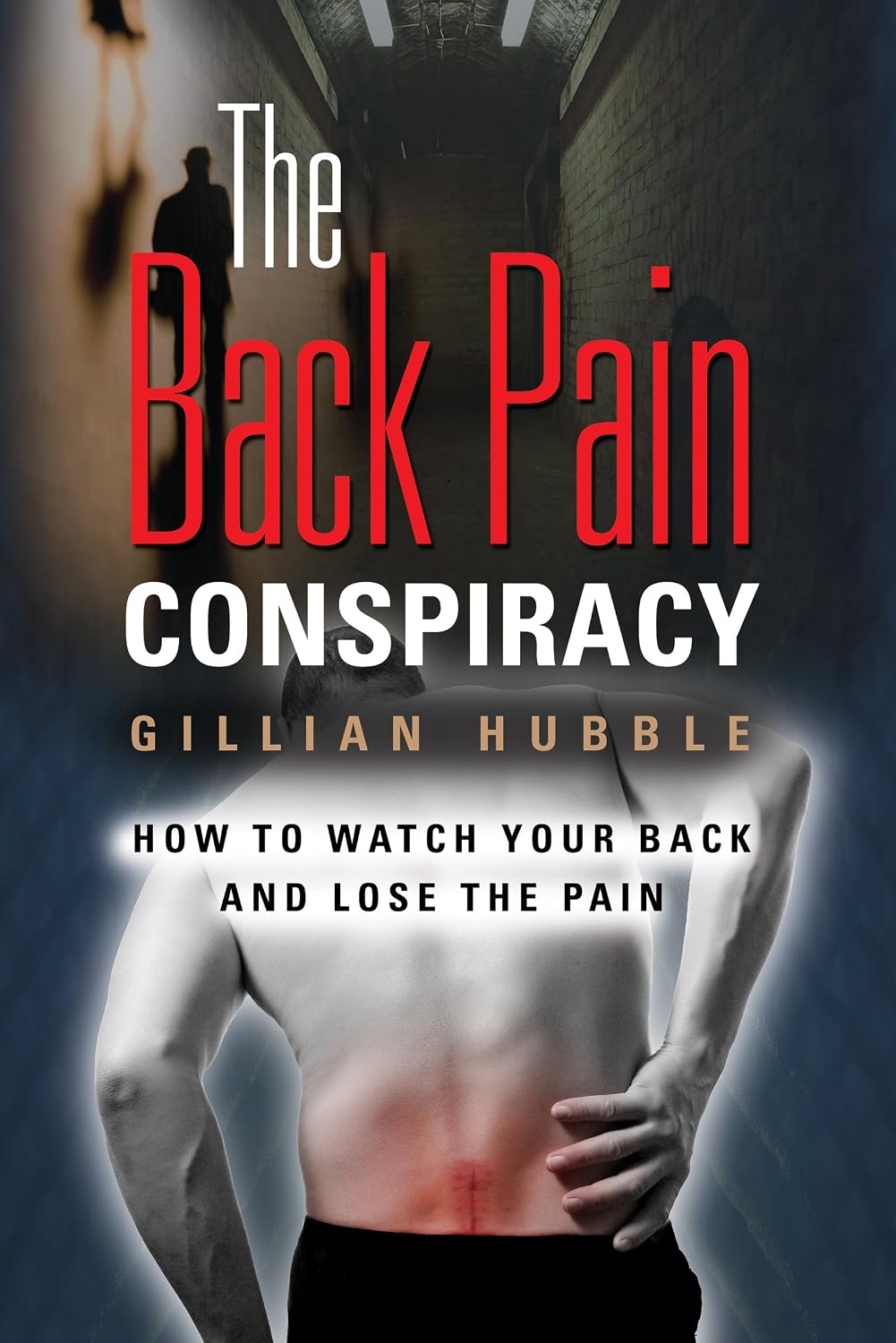
In my family it seems everyone I know has back pain of some kind including David and I who have both dealt with back pain off and on most of our lives. Not having insurance we can’t always run to a doctor so I decided to read The Back Pain Conspiracy: How to Watch Your Back and Lose the Pain to see if it could help my family out.
The back pain David and I have is one of those things that quietly runs through our family in different ways, and not always at the same time. My mother-in-law, Sherry, deals with it more now as she gets older and is nearing her 90s. I see it when she walks.
And Charlie, who is only 19, has started mentioning it more often too. Even just everyday things around the house or working and being active seem to bring it up for him in a way I didn’t expect at his age. It worry’s me and I wish he would go to the doctor or a chiropractor which he has been wanting to see.
Then there’s me and David in the middle of it all, just trying to keep up with daily life, housework, and everything else that comes with getting older and still needing to keep going. Some days it’s fine, and other days it’s that reminder that your back is going to decide how the rest of your day goes whether you like it or not.
And that’s really what made me pick up The Back Pain Conspiracy: How to Watch Your Back and Lose the Pain. I wasn’t looking for something dramatic or complicated. I wanted to understand if there was anything in the book that could actually help our family before this turns into something that limits what we can do every day.
I’ve seen what that looks like before. My Uncle Jeff went through back surgery years ago, and he was never quite the same afterward. That has always stayed in the back of my mind, especially now that I’m watching it show up in different ways across different generations in our own family.
What I noticed pretty quickly while reading is that this book doesn’t try to rush you into thinking there’s one simple fix for back pain. Instead, it steps back and looks at how many different things people end up trying when they’re hurting, and how confusing it can get when every source tells you something different.
It talks through a wide range of common treatments and explains that not everything works the same for everyone, and not everything has the same level of evidence behind it. Some things people swear by, and other things don’t always hold up when you look at the bigger picture over time.
What I liked is that it doesn’t feel like it’s trying to push you toward a single answer. The story the Author created feels more like someone laying everything out in front of you so you can slow down and actually think before jumping into something major.
The author, Gillian Hubble, is a clinical healthcare consultant and medical information scientist who focuses on evidence-based medicine. After dealing with a severe back injury herself, she spent years researching back pain and how different treatments actually work in real life compared to what people are told.
From Amazon, her background is described as someone who spent a decade researching back pain after her own injury, and she later founded The Functional Back, an education-based approach focused on helping people understand back pain using evidence rather than guesswork.
That part made sense to me while reading, because the book doesn’t feel like fear or hype. It feels like someone who has been through it, studied it, and is trying to help other people avoid confusion and unnecessary steps when they’re already dealing with pain.
By the time I finished it, I kept thinking about how many families probably go through the same thing quietly — different ages, different stages of life, all dealing with the same general issue in their own way, just trying to keep going.
For me, this book wasn’t just information about back pain. It was more of a reminder that when something keeps showing up in your family like this, it’s worth paying attention to it early instead of waiting until it becomes something bigger.
About the book:
There is more to the back pain epidemic than you think…
Are you considering drugs, procedures, or even major surgery for your back pain? If you value your future back health, don’t do anything until you’ve read this book.
For the first time, get an evidence-based look at back pain causes and the effectiveness of 21 of the most popular conventional and alternative back pain treatments. What works? What doesn’t? Told from the perspective of a back pain survivor and healthcare professional, The Back Pain Conspiracy unearths the startling facts behind the mythology, so you can understand your pain and how to lose it.
You Will Learn:
•Why you have back pain, and why it won’t go away
•How to identify back pain myths and misconceptions
•What the most—and least—effective back pain treatments are
•When to pursue which types of treatment
•Where to look for long-term back pain relief
Meet the Author: Gillian Hubble

Gillian Hubble is a clinical healthcare consultant and medical information scientist specializing in evidence-based medicine. Following a severe back injury, she spent a decade researching back pain. She is the founder of The Functional Back, a back pain self-treatment education firm based upon her finding
If you have best pain relief tips come share them with us.
Thank you,
Glenda, Charlie and David Cates
Let us know if you enjoyed this post!

Like

Love

Happy

Haha

Sad