
Image Credit: Unsplash
Quiet afternoons give children room to settle into an activity without a packed schedule competing for their attention. The trick is to create enough structure that they know where to begin while leaving the play open enough for their own ideas. A calm setup can support concentration, creativity, and confidence, especially after a busy morning.
Parents looking for simple options can browse these low-stimulation activities and then adapt them to their child’s age, interests, and usual energy level.
The Anatomy of a Low-Stimulation Afternoon
Start with a predictable transition. Lunch, a bathroom break, and 10 minutes of reading can signal that quieter play is coming next. Dim harsh overhead lights if possible, turn off background television, and keep only a few materials within reach. Too many choices can make it harder for a tired child to settle.
Quiet time doesn’t require complete silence. Soft conversation, the sound of blocks touching, or a child narrating a pretend story all fit the mood. Aim for a manageable period based on age. A toddler might begin with 15 minutes, while an older preschooler may stay absorbed for 30 to 45 minutes. End while the experience still feels positive, then lengthen it gradually.
Selecting Props That Encourage Deep Focus
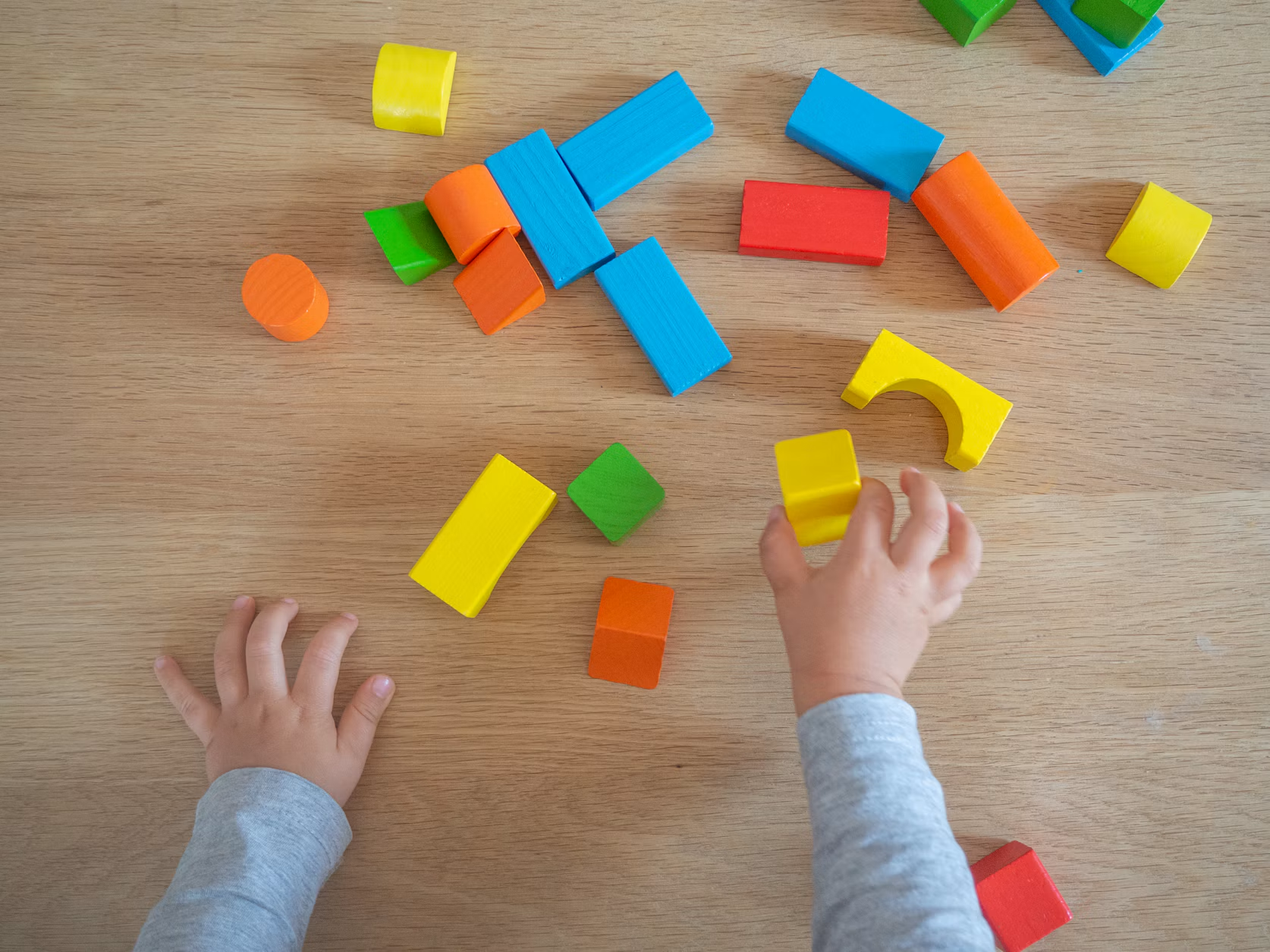
Offer materials that can become different things each time they appear. Blocks might form a grocery store today and a train station tomorrow. A durable wooden toy with movable or stackable parts can also invite sorting, building, and storytelling without flashing lights directing the action.
Limit the selection to three or four choices, such as a small puzzle, modeling dough, blocks, and drawing supplies. Rotate one choice every few days instead of replacing the whole setup. If your child enjoys art, this Deep Space Sparkle art project offers a focused activity with a clear theme and plenty of room for individual color choices. Keep paper, washable supplies, and a tray nearby so starting feels easy.
Balancing Independent Play With Connection
Stay available without directing every decision. You might sit nearby folding laundry, reading, or answering email while your child works. That quiet presence can provide reassurance, especially for a toddler who is still learning to play alone.
If your child asks for help, respond with a prompt that returns ownership of the activity: “Show me what you’ve tried,” or “Which piece could fit there?” Join briefly when frustration rises, then step back once play begins moving again. These quiet-time ideas for toddlers can help when a child needs a more defined starting point.
Connection also belongs at the end. Ask your child to show you one part of the creation or tell you what happened in the pretend story. Specific interest feels warmer than broad praise and encourages children to explain their thinking.
Resetting the Space for Tomorrow
Keep cleanup short enough that it doesn’t erase the calm mood. Use one shallow basket for current quiet-time materials and give puzzles or art supplies a clearly marked spot. Young children can place blocks in a bin, return crayons to a cup, and carry finished artwork to a drying area.
Take a quick mental note before putting everything away. A child who repeatedly stacked pieces may enjoy nesting cups next time, while one who invented characters could use fabric scraps or cardboard figures. Leave a favorite activity in rotation and change only one item. This keeps the setup familiar while adding a small spark of novelty.
Once the basket is ready, place it where you can reach it tomorrow without searching. That simple reset makes the next quiet afternoon easier to begin and gives your child a familiar invitation to slow down and play.
Let us know if you enjoyed this post!

Like

Love

Happy

Haha

Sad