For a lot of families digital money has become part of everyday life, but not every family grows up using the same tools. In our home, we’ve heard of Venmo, but we’ve honestly never used it and didn’t know much about how it works. As Charlie and Bradley become young men and start learning how to manage money, build credit, and handle responsibility, it feels more important than ever to understand the different apps that are out there and decide what actually makes sense for them.
One of the things we’ve been wanting to learn more about is Venmo itself—how it works, what it can and cannot do, and whether it’s something worth using in a family setting. Like many parents, I didn’t realize how much these apps have expanded beyond just “sending money to a friend.”
There are now tools connected to them, including debit card options and teen-focused features, which made me realize I probably should have looked into it sooner, especially when my son was younger and constantly needing small amounts for games or everyday spending.
Venmo is a mobile payment app that connects to a bank account, debit card, or credit card. From there, it allows people to send and receive money using just a phone number or username. The idea is simple: instead of handling cash or writing checks, money moves digitally in real time between people who trust each other.
A common question for people who are new to it is whether you need a certain amount of money to start. In most cases, no large balance is required to create an account. You can open a Venmo account without keeping money in it. Instead, it pulls from whatever funding source you connect, such as a bank account or debit card. You only need enough available funds in that connected account when you actually send money.
Another concern is cost. For everyday use, sending money from a bank account or debit card is typically free. However, there can be fees in certain situations, such as when using a credit card or choosing instant transfers to a bank. That’s one of the reasons it’s important to understand how the app is being used, especially for teens or young adults who may not think about those details at first.
There is also no requirement to “keep money” in a Venmo account like you would with some traditional banking setups. The balance inside the app can be zero, and it will still work normally as long as it is connected to a funding source. This makes it feel flexible, but it also means it isn’t a full replacement for a bank account.
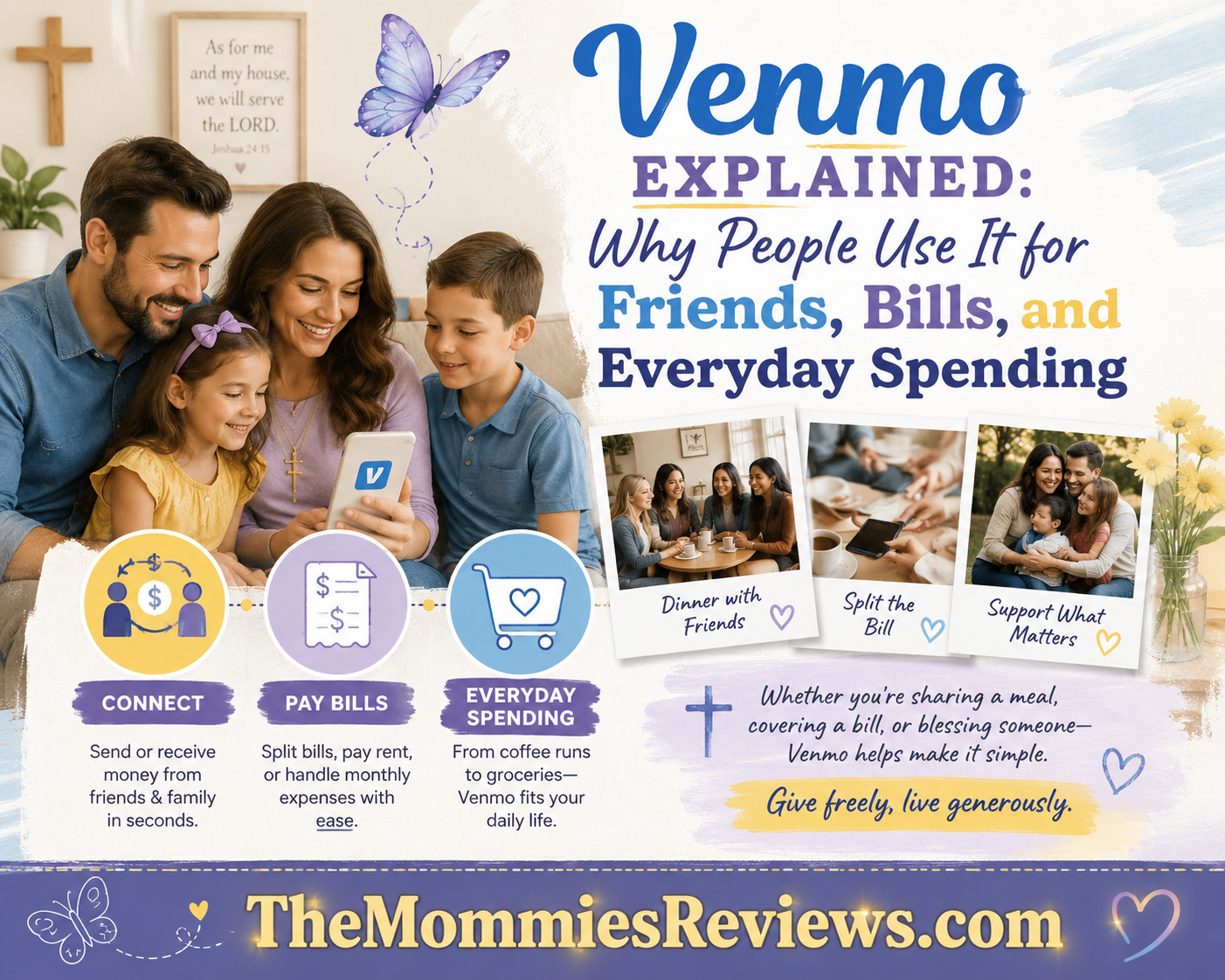
When it comes to what you can and cannot do, Venmo is mainly designed for sending money between people. That includes things like splitting dinner bills, paying a friend back for gas, or sharing household expenses. It is not meant for paying random businesses everywhere, although some merchants do accept it. It is also not a credit-building tool by itself, which is an important distinction for families thinking about long-term financial habits.
One thing I didn’t realize until recently is that Venmo now offers options for teens, including a teen debit-style setup under parental supervision. That was surprising to me, because I had always thought of Venmo as something strictly for adults. Learning that made me wish I had looked into it sooner, especially during the years when my son was growing up and constantly needing small amounts of money for games, snacks, or everyday things.
For families like ours, the bigger question isn’t just what Venmo is, but whether it fits into how we want to teach money responsibility. It can be helpful for quick transfers and teaching accountability, but it also requires understanding limits, fees, and safe use. Like any financial tool, it works best when there is clear communication about how and when it should be used.
At the end of the day, Venmo is popular because it makes small money exchanges simple. But for parents and families who are just starting to explore these tools, it also raises important questions about safety, oversight, and whether it supports the financial habits we want our teens to build as they grow into adulthood
Thank you,
Glenda, Charlie and David Cates
Let us know if you enjoyed this post!

Like

Love

Happy

Haha

Sad